How to Sell Globally from India Using Shopify

Selling online is no longer limited by borders—and if you’re running a Shopify website development store in India, global customers are closer than you think.
Cross-border ecommerce is growing at an incredible pace. Millions of shoppers worldwide are actively buying products from international brands, and Indian businesses are perfectly positioned to tap into this demand.
But going global isn’t just about switching on international shipping and hoping for the best.
To sell successfully outside India, your ecommerce website design and custom ecommerce development need the right market selection, localization, payment setup, shipping strategy, and marketing approach.
At Emerge Digital, we help Indian brands expand internationally without unnecessary complexity. This guide walks you through how to sell globally from India using Shopify—step by step.
Table of Contents
- Why Global Selling Makes Sense for Indian Shopify Stores
- Step 1: Choose the Right International Markets First
- Step 2: Localize the Experience for International Customers
- Step 3: Set Up Your Store to Accept International Payments
- Step 4: Build a Transparent International Shipping Strategy
- Step 5: Localize Your Global Marketing Efforts
- What to Expect When Expanding Globally
- Final Thoughts: Going Global with Shopify Starts with the Right Setup

Why Global Selling Makes Sense for Indian Shopify Stores
India is no longer just a sourcing hub, it’s becoming a global ecommerce powerhouse. With strong manufacturing capabilities, competitive pricing, and increasing brand maturity, Indian D2C and ecommerce brands are well positioned to compete internationally.
With the right e-commerce website design and a conversion-focused e-commerce UI UX design, global customers are more likely to trust, explore, and purchase from your store. Shopify supports this growth with flexible tools for Shopify website development, international storefronts, and scalable ecommerce development that adapts as your business expands into new markets.
The real advantage comes from setting things up strategically, from custom ecommerce development and checkout optimization to long-term CRO optimization and performance-driven architecture. When your global store is built intentionally, international selling becomes a growth engine, not a logistical challenge.

Step 1: Choose the Right International Markets First
Trying to sell everywhere at once is the fastest way to fail at global expansion. A focused approach allows your ecommerce website development efforts to stay efficient and measurable as you enter new regions.
Instead, be intentional about where you start. The goal is to identify high-intent markets where your products, pricing, and brand positioning already show potential.
Look inside your Shopify analytics and ask:
- Are you already getting visitors from other countries exploring your store?
- Are there international users adding products to cart or reaching checkout?
- Do certain regions show repeat engagement or lower bounce rates?
If you already see traffic or orders from specific countries, that’s a strong signal of demand. These insights help guide smarter Shopify website development decisions and reduce risk during global expansion.
If not, start with markets that:
- Have similar buying behaviour and ecommerce expectations
- Share language familiarity, making e-commerce UI UX design and content localization easier
- Are geographically closer to India, enabling smoother shipping and faster delivery timelines
For many Indian brands, regions like the Middle East, Southeast Asia, or English-speaking markets are ideal first steps. These regions respond well to strong e-commerce website design, clear checkout flows, and reliable cross-border fulfillment, making them practical entry points for sustainable international growth.
Step 2: Localize the Experience for International Customers
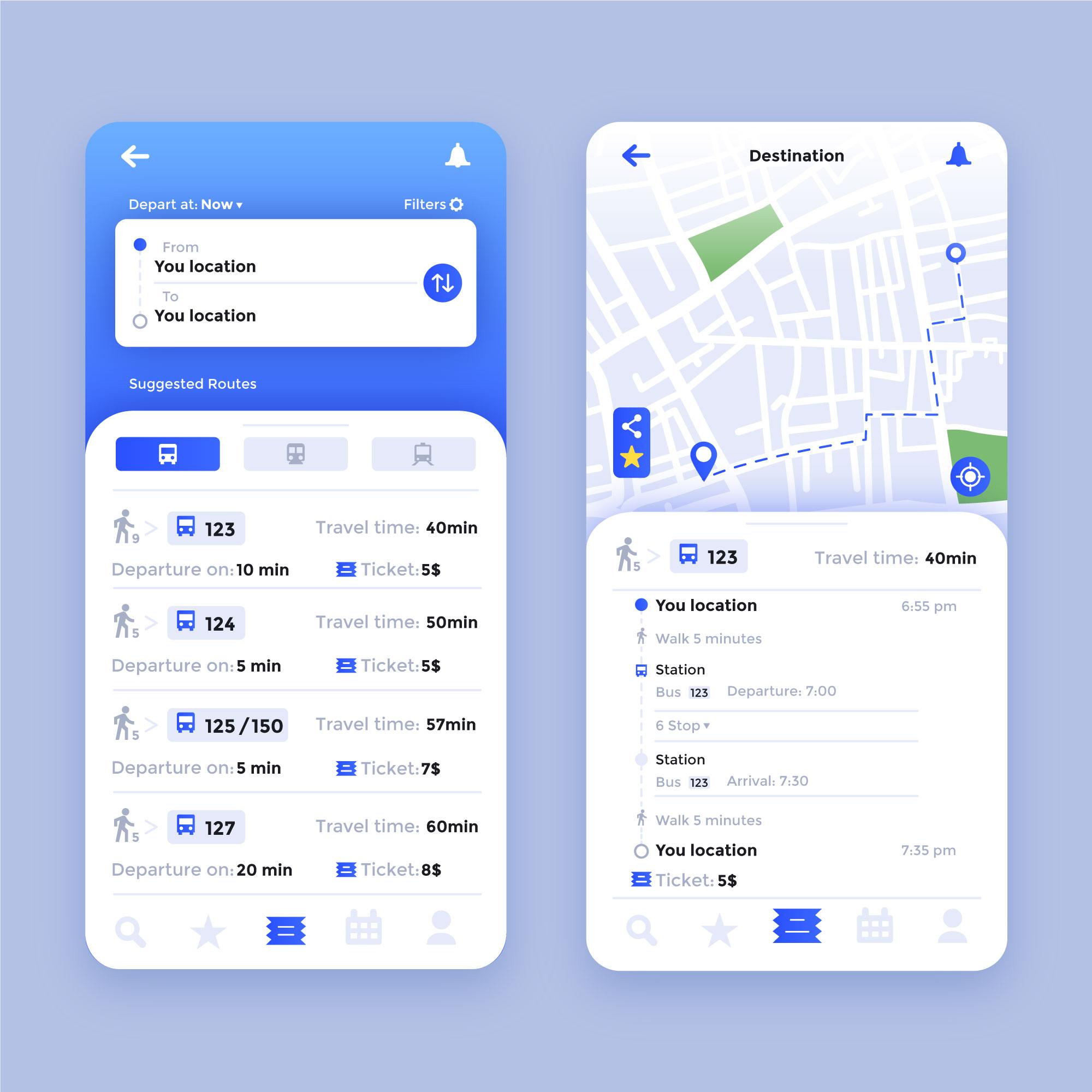
Global customers won’t convert if your store feels unfamiliar or difficult to navigate. Even small gaps in clarity can create hesitation when someone is buying from a brand based in another country, especially during cross-border shopping.
Localization isn’t just about translation, it’s about comfort and confidence. When international shoppers clearly understand pricing, policies, and delivery expectations, they’re far more likely to complete a purchase. Thoughtful localization also strengthens your overall e-commerce UI UX design, making the experience intuitive across regions.
Key areas to localize include:
- Currency Display
Displaying prices in a shopper’s local currency removes friction and builds instant trust. It helps customers understand value immediately, without needing to calculate conversions or second-guess the final amount at checkout. - Language & Content
If you’re targeting non-English-speaking regions, localized product descriptions, policies, and checkout messaging reduce confusion and support better decision-making. Clear, consistent communication reassures buyers and lowers drop-offs during checkout. - Location-Based Experience
International visitors should automatically see relevant content based on where they’re browsing from, such as available products, delivery timelines, and regional settings. This creates a smoother, more intuitive shopping experience without requiring manual selection.
At Emerge Digital, we recommend prioritizing geo-based experiences and localization prompts before running promotions. When customers feel understood and supported, CRO optimization happens naturally.

Step 3: Set Up Your Store to Accept International Payments
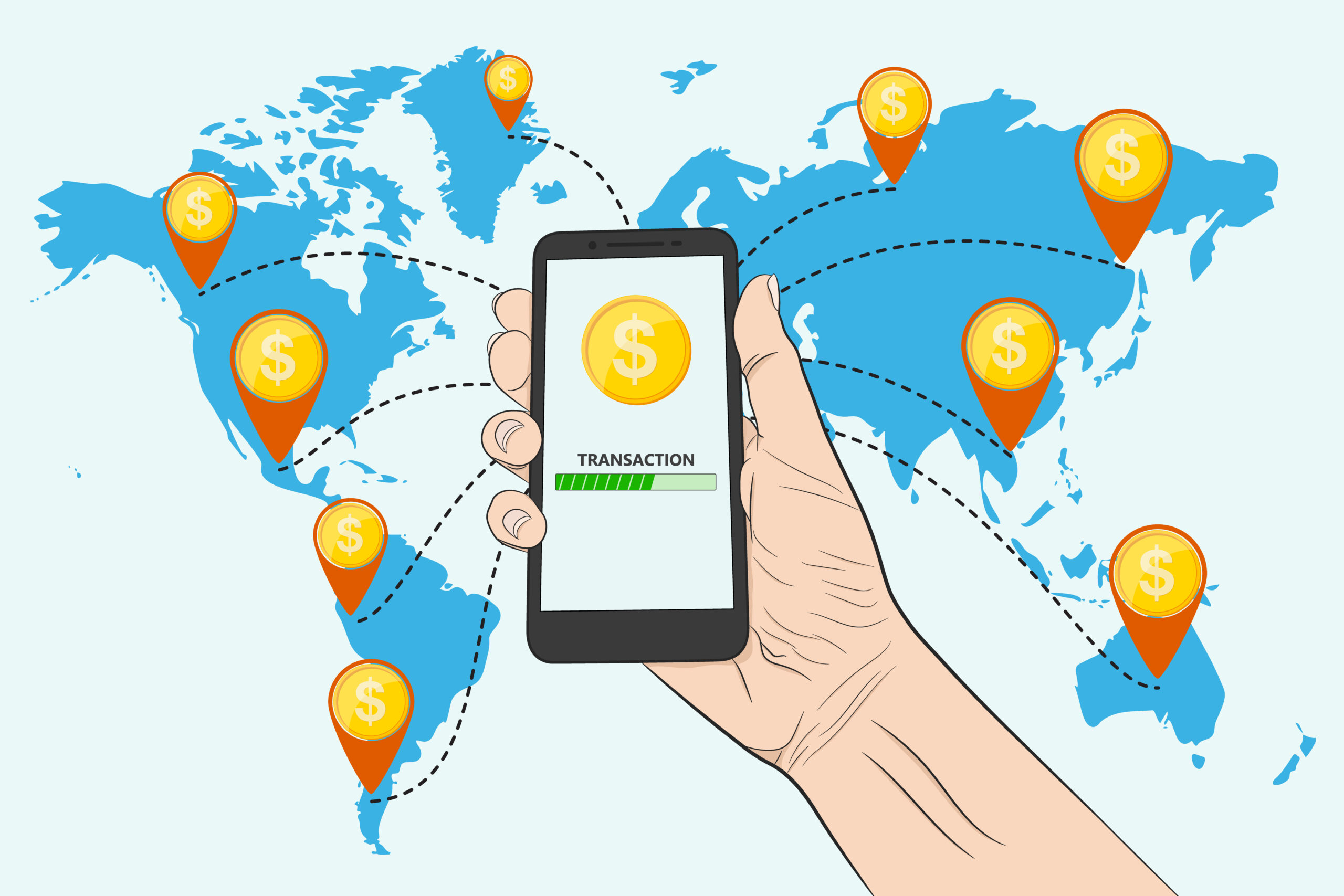
A global store must accept global payments. Even if your product and pricing are right, checkout is where most international conversions are won, or lost.
International customers expect familiar, trusted payment options. If they don’t see a gateway they recognize or trust, they’re likely to abandon checkout without a second thought. This makes payment setup a critical part of scalable ecommerce development for global markets.
To improve conversion rates, make sure you:
- Enable international card payments to support overseas debit and credit cards
- Integrate globally trusted gateways like PayPal that buyers already feel comfortable using
- Ensure payment success rates are optimized for international transactions, including fraud checks and currency handling
A smooth, reliable payment flow builds confidence and reduces friction at the most sensitive stage of the buying journey. When your checkout experience works seamlessly across regions, your Shopify website development efforts translate directly into higher completion rates and stronger international sales performance.
Step 4: Build a Transparent International Shipping Strategy
Shipping is often the biggest concern for international buyers. Unclear timelines, unexpected fees, or complicated delivery processes can turn even interested customers away. Your goal isn’t to make shipping cheap, it’s to make it clear, reliable, and easy to understand.
Best practices include:
- Working with carriers that support your target countries and offer tracking for full transparency
- Clearly displaying shipping timelines on product pages so customers know when to expect their orders
- Being upfront about delivery expectations, including customs, duties, and possible delays
- Testing the international checkout experience yourself to ensure the workflow is smooth
In some cases, adjusting product pricing to absorb shipping costs can improve conversions more than showing high shipping fees separately. Additionally, be mindful of international taxes and duties, as some countries require sellers to collect and remit taxes to remain compliant.
A well-planned shipping strategy not only improves customer trust but also supports custom ecommerce development for global markets, ensuring that your international storefront operates efficiently while minimizing friction at checkout.

Step 5: Localize Your Global Marketing Efforts
A localized store needs localized marketing to truly connect with international customers. Sending global traffic to a generic Indian storefront often leads to low engagement and poor conversion rates. Instead, tailor your campaigns to meet the expectations and preferences of each target region.
This means:
- Running region-specific ad campaigns that speak to local culture, trends, and buying habits
- Using localized messaging, visuals, and promotional content that resonate with the audience
- Creating destination URLs that automatically display the correct currency, language, and content
Whether you’re running paid ads, retargeting campaigns, or email flows, consistency between your marketing messages and your storefront builds trust, improves user experience, and increases the likelihood of conversions.
When done effectively, these strategies complement ecommerce website development efforts, ensuring that every visitor sees a seamless, tailored shopping experience that feels designed just for them.

What to Expect When Expanding Globally
Selling globally isn’t without challenges. Expanding beyond India involves navigating operational complexity, understanding new markets, and continuously optimizing your store and marketing strategies. Cross-border ecommerce requires careful attention to logistics, payment systems, compliance, and customer experience.
Key considerations include:
- Operational complexity: Managing multiple currencies, tax regulations, and international shipping can add layers to your workflow.
- Constant learning: Each market behaves differently, what works in one region may need adjustment in another.
- Ongoing optimization: Continuous testing, localization improvements, and marketing refinement are essential to maximize results.
Despite the challenges, the opportunity is massive. With billions of internet users worldwide, even capturing a small fraction of international sales can significantly boost revenue. When executed strategically, global expansion transforms your Shopify store into a scalable, long-term growth engine, not just a short-term experiment.
With thoughtful planning, international Shopify website development and tailored global strategies can turn cross-border ecommerce into a reliable revenue stream, positioning your brand for sustainable global success.

Final Thoughts: Going Global with Shopify Starts with the Right Setup
Selling internationally from India is no longer reserved for large enterprises. With Shopify and a clear, strategic approach, even growing D2C and ecommerce brands can confidently expand beyond borders. The key is setting up your store correctly from the start, covering localization, payments, shipping, and marketing, so your global expansion is scalable and sustainable.
At Emerge Digital, we help Indian ecommerce brands:
- Set up Shopify stores for global selling, ensuring your storefront is optimized for international customers
- Optimize localization and checkout experiences to build trust and improve conversions
- Build scalable international growth strategies that align with your long-term business goals
Global growth isn’t about reaching everyone, it’s about reaching the right customers, in the right markets, with the right experience. By laying the proper groundwork today, you position your Shopify store to capture international demand effectively, increase revenue, and grow your brand globally with confidence.
Explore more
Ecommerce Solutions for Perfume & Fragrance Brands: Why Agencies Deliver Luxury Experiences
Ecommerce Development for Skincare & Beauty Brands: How Agencies Create Scalable Solutions
E-commerce Development for Jewellery Brands: Building Trust for High-Value Purchases

About the Author
Priya, Co-Founder of Emerge Digital, is a UI/UX enthusiast with 15 years of experience. She’s passionate about crafting user-centered designs that exceed expectations, delivering meaningful and engaging digital experiences. At Emerge Digital, Priya blends her deep expertise with a commitment to client and user needs, driving innovative design solutions.