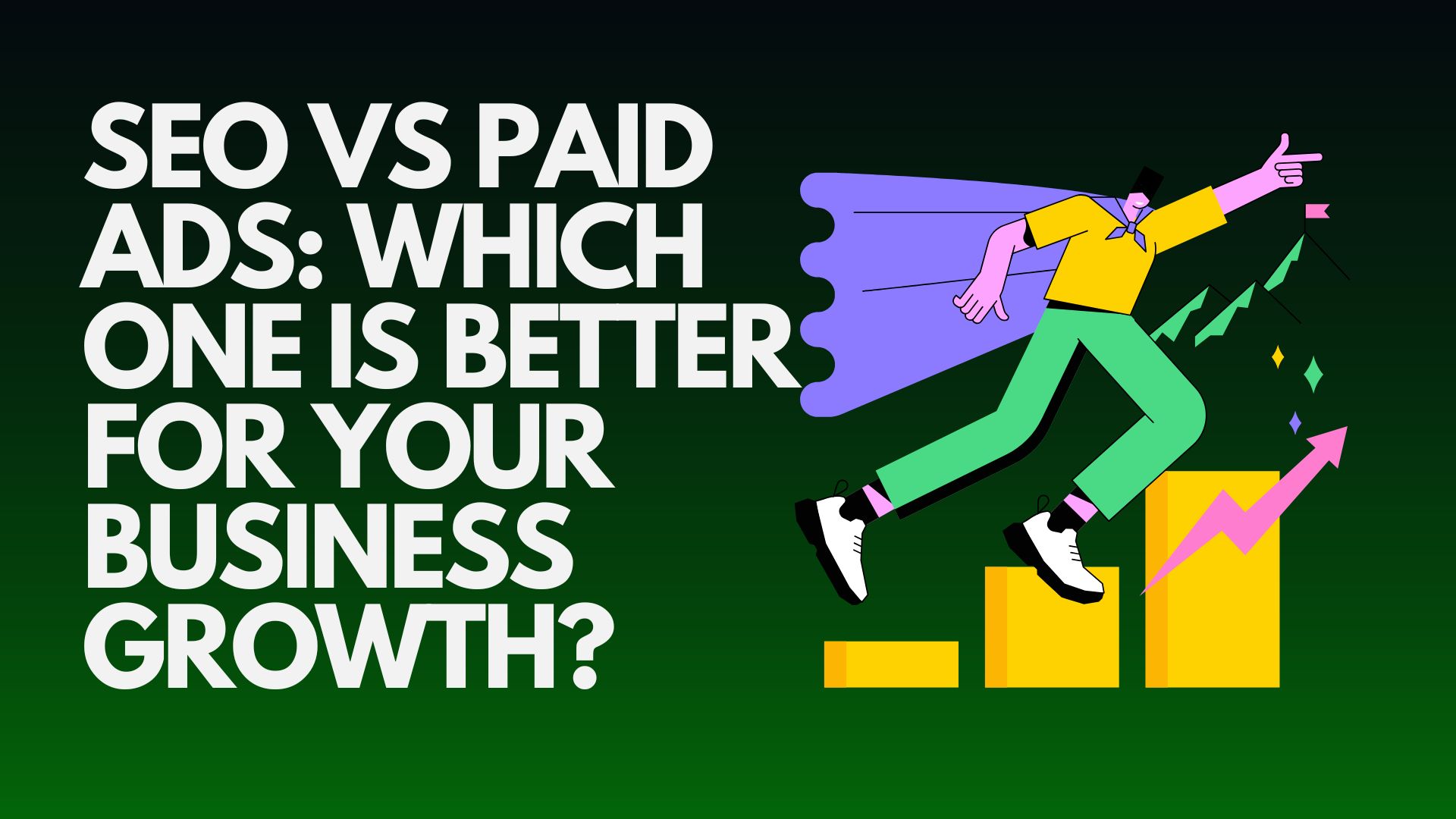
SEO vs Paid Ads: Which One Is Better for Your Business Growth?
If you’re planning to grow your business online, one question almost always comes up:
Should you invest in SEO or Paid Ads?
Both strategies can bring traffic, leads, and sales. But they work very differently. Understanding how each one fits into your marketing strategy can help you make smarter decisions and get the best return on your budget.
In this guide, you’ll learn how SEO and Paid Ads work, their advantages, their limitations, and how to decide which one is right for your business growth.
Table of Contents
- Introduction: The Rise of AI Search and AEO
- What Are AEO Tools?
- Why Brands Need AEO Tools in 2026
- Leading AEO Platforms for AI Search Optimization
- Established SEO Tools That Now Include AEO Features
- How to Choose the Right AEO Tool
- The Future of AEO
- Final Thoughts
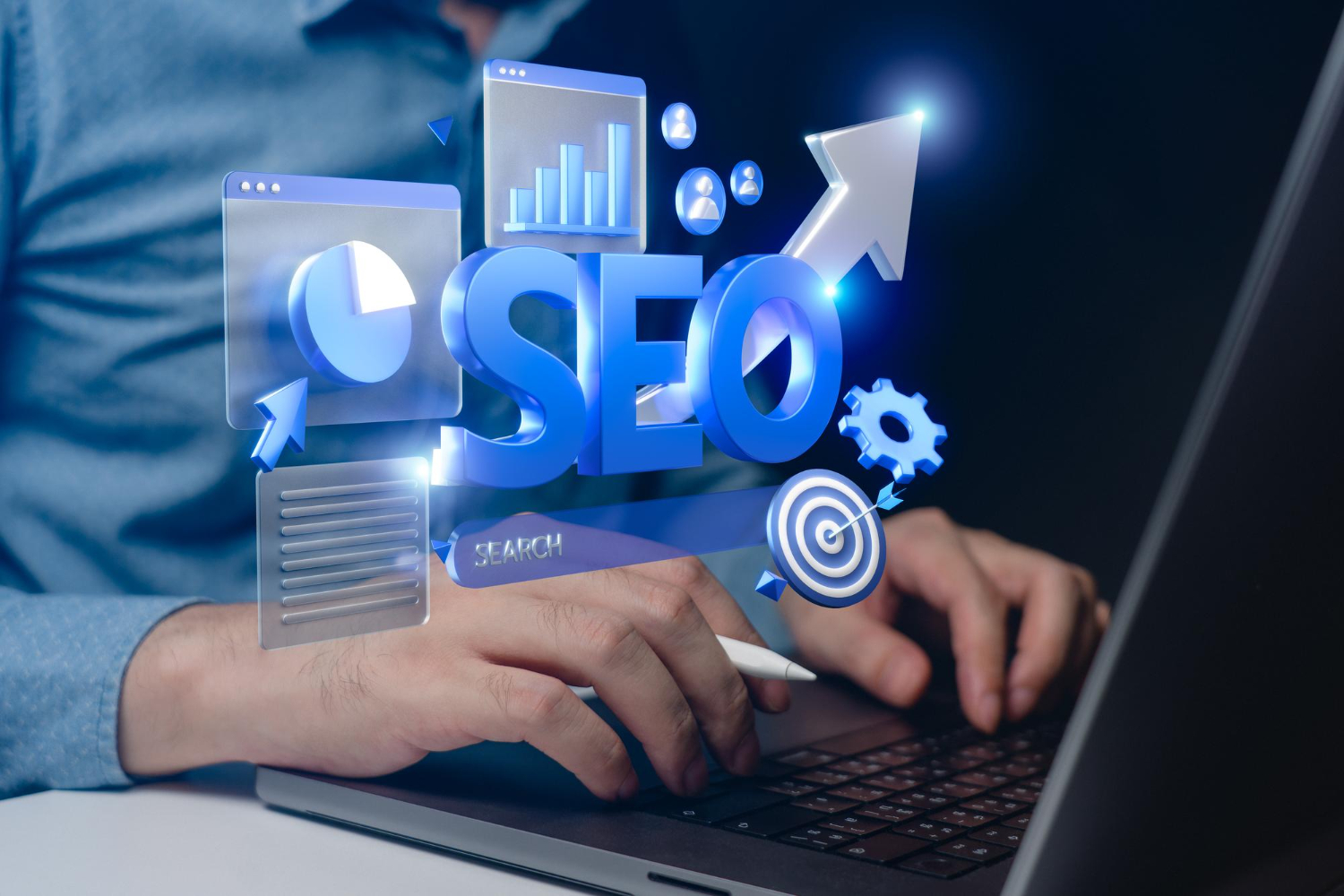
What Is SEO?
Search Engine Optimization (SEO) is the process of improving your website so it appears higher in organic search results when people search for products or services related to your business.
For example, if someone searches:
- “ecommerce website development agency”
- “best digital marketing agency for small businesses”
- “Shopify store development services in Mumbai”
- “affordable SEO services for ecommerce brands”
SEO helps your website appear in those results without paying for each click, making it one of the most cost-effective digital marketing strategies for long-term growth.
SEO usually includes:
- Keyword research
- On-page optimization
- Technical SEO
- Content marketing
- Link building
- User experience improvements
It also involves optimizing for high-intent search queries, improving website speed and mobile responsiveness, and creating conversion-focused content that answers user queries clearly.
When done correctly, SEO helps your website consistently attract people who are already searching for what you offer—bringing in qualified leads, higher search rankings, and sustainable organic traffic growth for your business.
What Are Paid Ads?
Paid advertising allows you to instantly appear at the top of search engines or social media platforms by paying for ad placements. It is one of the fastest ways to drive targeted traffic, generate leads, and increase online sales.
Some of the most popular paid advertising platforms include:
- Google Ads
- Facebook Ads
- Instagram Ads
- LinkedIn Ads
- YouTube Ads
With Paid Ads, you typically pay when someone clicks your ad. This is called Pay-Per-Click (PPC) advertising, a widely used model for businesses looking for quick results and measurable ROI.
Paid advertising is especially effective for targeting specific audiences using location-based targeting, interest targeting, and keyword-based campaigns, making it ideal for businesses offering services like ecommerce, digital marketing, and local services.
Unlike SEO, Paid Ads can start generating instant website traffic, qualified leads, and conversions almost immediately after launching a campaign.

SEO vs Paid Ads: Key Differences
Understanding how these strategies differ will help you decide where to invest your marketing budget.
1. Speed of Results
One of the key differences between SEO and Paid Ads is how quickly they deliver results. Your strategy should depend on whether you need instant website traffic or long-term growth.
Paid Ads: Quick Results
Paid advertising delivers results almost immediately. Once your campaign goes live, your ads can start appearing in front of your target audience within hours.
This makes Paid Ads a strong choice for businesses looking for quick lead generation and fast visibility.
Paid Ads are ideal when you want to:
-
Launch a new product or service
-
Run seasonal or limited-time campaigns
-
Generate quick leads and conversions
-
Drive traffic to your website instantly
SEO: Long-Term Growth
SEO takes time, usually around 3 to 6 months to see strong improvements in rankings and traffic. However, it focuses on building organic traffic that grows over time.
Once your website ranks well, it can consistently attract visitors without paying for every click, making it a reliable strategy for long-term business growth.
Key Takeaway
-
Paid Ads help you get immediate results
-
SEO helps you build sustainable traffic over time
A balanced approach often works best for consistent growth.
2. Cost Structure
Another major difference between SEO and Paid Ads is how you invest and scale your budget.
Paid Ads: Ongoing Spend
Paid advertising works on a bidding model where you pay for each click or impression. This is commonly known as pay-per-click advertising (PPC).
This means:
- Traffic stops as soon as your ad budget stops
- Competitive industries can have high cost-per-click (CPC)
- Scaling requires increasing your ad spend
For example, keywords related to digital marketing services or ecommerce development can be expensive due to high competition.
SEO: Long-Term Investment
SEO requires an upfront investment in strategy, content, and optimization. It focuses on building organic search traffic over time.
Once your website ranks well:
- You don’t pay for every visitor
- Traffic continues consistently
- Cost per lead decreases over time
This makes SEO a strong choice for long-term ROI and sustainable growth.
3. Trust and Credibility
When users search on Google, they often trust organic search results more than paid ads. Ranking at the top naturally signals that your website is relevant and reliable.
If your website appears in top positions, it helps build strong brand authority and increases user confidence in your business.
SEO helps you:
- Build long-term trust with your audience
- Establish credibility in your industry
- Improve search engine rankings over time
- Gain consistent visibility without paid promotion
Paid Ads: Lower Perceived Trust
Paid Ads are clearly marked as advertisements. While they can still drive results and visibility, users may sometimes skip them in favor of organic listings.
They work well for visibility, but may not always offer the same level of trust as organic traffic.
Key Takeaway
- SEO builds trust and credibility over time
- Paid Ads deliver visibility but with lower perceived trust
For long-term brand value, SEO plays a crucial role.
4. Long-Term Business Growth
SEO is a powerful long-term asset for your business. Every optimized page, blog post, and backlink helps improve your search engine rankings and strengthens your website’s overall authority.
Over time, this builds a steady flow of organic traffic, turning your website into a consistent lead generation channel. As your content ranks for high-intent keywords, you continue attracting users who are actively searching for your services.
With SEO, you benefit from:
- Consistent and scalable traffic growt
- Strong brand authority in your niche
- Reduced dependency on paid marketing
- Better long-term ROI
Paid Ads: Short-Term Growth
Paid Ads work more like an on-demand traffic source. As long as you’re investing in campaigns, you can generate instant traffic and leads.
However:
- Traffic stops when your budget stops
- Costs increase as you scale campaigns
- Long-term sustainability is limited without SEO
Key Takeaway
- SEO builds a sustainable growth engine over time
- Paid Ads provide quick results but depend on continuous spend
For most businesses, combining both ensures steady growth and immediate performance.
When Should You Invest in SEO?
SEO is ideal for businesses that want sustainable growth and consistent visibility in search results. It helps you attract users who are actively searching for your services, making it a strong channel for high-quality organic leads.
You should prioritize SEO if:
- You want consistent organic traffic and inbound leads
- You want to reduce dependency on paid ads
- Your industry has strong search demand on Google
- You want to build long-term brand authority
- You’re focused on long-term ROI rather than quick wins
Best Use Cases for SEO
SEO works especially well for businesses where customers actively search online before making a decision.
For example:
- Ecommerce website development services
- SEO and digital marketing services
- SaaS products and tech platforms
- Professional services (consultants, agencies, etc.)
These industries benefit from ranking for high-intent keywords, which can consistently drive qualified traffic and leads over time.
Key Takeaway
If your goal is to build a strong online presence and generate leads consistently without ongoing ad spend, SEO is the right long-term investment.
When Should You Invest in Paid Ads?
Paid Ads are best when you need immediate visibility and quick results. They allow your business to appear in front of the right audience instantly, making them highly effective for driving instant traffic and quick lead generation.
You should consider Paid Ads if:
- You’re launching a new product or service and need quick exposure
- You want instant website traffic without waiting for organic rankings
- You’re testing a new market, audience, or offer
- You want to promote a limited-time or seasonal offer and drive fast conversions
Paid Ads also work well for retargeting campaigns, helping you reconnect with visitors who have already interacted with your website and increasing your chances of conversion.
The Smartest Strategy: Combine SEO and Paid Ads
The most effective digital marketing strategies don’t choose between SEO and Paid Ads—they combine both to create a balanced approach that drives both short-term results and long-term growth.
Here’s how you can use them together:
- SEO for long-term traffic
Focus on building high-quality blog content, optimizing your service pages, and targeting high-intent keywords that your audience is actively searching for. Over time, this improves your search engine rankings and brings in consistent organic traffic without ongoing ad spend.
- Paid Ads for quick wins
Use paid campaigns to generate instant traffic and leads while your SEO strategy is still gaining momentum. This ensures your business continues to get visibility and conversions in the early stages.
- Data sharing
Paid Ads provide valuable insights into which keywords, audiences, and messages perform best. You can use this data to refine your SEO strategy, focus on high-performing keywords, and improve your overall conversion rate.
By combining both strategies, you create a system where Paid Ads deliver immediate results while SEO builds a strong foundation for the future. This integrated approach helps your business achieve both quick lead generation and sustainable growth over time.

How to Decide What’s Right for Your Business
Choosing between SEO and Paid Ads depends on your business goals, timeline, and budget. There’s no one-size-fits-all approach—your decision should align with whether you need quick lead generation or long-term growth.
If you want fast results, Paid Ads can deliver instant visibility and help you start generating traffic and leads quickly.
If you want consistent, long-term results, SEO is the stronger investment as it builds organic traffic and improves your search engine rankings over time.
For many growing businesses, the best strategy is to combine both—using Paid Ads for immediate results while building SEO for sustainable growth and better long-term ROI.
Final Thoughts
SEO and Paid Ads are not competitors—they are complementary growth channels.
SEO helps you build authority, attract organic traffic, and generate sustainable leads over time.
Paid Ads help you gain immediate visibility and scale campaigns quickly.
When used together strategically, they can create a powerful digital marketing engine that drives consistent business growth.
Want to grow your business with the right digital marketing strategy?
At Emerge Digital, we help businesses build powerful growth systems using SEO, paid advertising, and data-driven marketing strategies.
Whether you want to increase organic traffic, generate qualified leads, or scale your campaigns, our team can help you create the right strategy for your business.
Get in touch with our team to explore how we can help your business grow online.

Explore more
Ecommerce Solutions for Perfume & Fragrance Brands: Why Agencies Deliver Luxury Experiences
Ecommerce Development for Skincare & Beauty Brands: How Agencies Create Scalable Solutions
E-commerce Development for Jewellery Brands: Building Trust for High-Value Purchases

About the Author
Priya, Co-Founder of Emerge Digital, is a UI/UX enthusiast with 15 years of experience. She’s passionate about crafting user-centered designs that exceed expectations, delivering meaningful and engaging digital experiences. At Emerge Digital, Priya blends her deep expertise with a commitment to client and user needs, driving innovative design solutions.