Shopify vs WooCommerce: Which Platform Is Right for Your Brand?
If you’re planning to take your brand online, choosing the right ecommerce platform can feel overwhelming. Shopify and WooCommerce are two of the most popular ecommerce website development platforms—but which one is the best fit for your business? Emerge Digital works with brands across industries to deliver Shopify Website Development, WooCommerce development, and Shopify to WooCommerce migration services, helping businesses launch, scale, and optimize conversion-focused online stores.
This guide breaks down the key differences, advantages, challenges, and long-term scalability of Shopify vs WooCommerce, enabling you to make an informed decision aligned with your business goals, budget, and growth strategy.
Table of Contents
- What is Shopify?
- What is WooCommerce?
- Key Differences Between Shopify and WooCommerce
- Pros and Cons of Shopify
- Pros and Cons of WooCommerce
- Pricing Comparison: Shopify vs WooCommerce
- Which Platform Should You Choose?
- Final Thoughts

What is Shopify?
Shopify is a fully hosted ecommerce platform that enables brands to launch, manage, and scale an online store without worrying about servers, security, or ongoing technical maintenance. For businesses looking for Shopify website development that is fast, stable, and scalable, Shopify offers a reliable foundation from day one.
What makes Shopify especially appealing is its ability to support both new ecommerce startups and fast-growing brands. Whether you’re building a D2C store, scaling a high-volume ecommerce business, or planning a future Shopify to WooCommerce migration service, Shopify provides a structured, performance-driven ecosystem that simplifies store management.
Here’s what makes Shopify stand out:
- All-in-one ecommerce solution: Hosting, security, SSL certificates, and platform updates are fully managed, making Shopify ideal for hassle-free ecommerce website development.
- User-friendly interface: Even without technical expertise, you can manage products, orders, and content easily—perfect for non-technical founders and marketing teams.
- Powerful app ecosystem: Thousands of apps and integrations help extend functionality, from SEO and CRO tools to inventory management and automation.
- Reliable 24/7 support: Shopify provides round-the-clock assistance, ensuring your store remains operational during critical sales periods.
Shopify works especially well for brands that want quick store launches, predictable costs, and scalable Shopify website development—without handling complex backend tasks. It’s a strong choice if speed, reliability, and growth-focused ecommerce performance are your top priorities.

What is WooCommerce?
WooCommerce is a powerful WordPress ecommerce plugin that transforms a WordPress website into a fully functional online store. Unlike Shopify, WooCommerce is self-hosted, which means you have complete ownership and control over your store’s design, data, performance, and SEO—making it a popular choice for brands that want flexibility and customization.
For businesses considering Shopify to WooCommerce migration, WooCommerce is often chosen for its advanced customization capabilities, deep SEO control, and seamless integration with WordPress content marketing strategies. It’s especially effective for brands that rely heavily on organic traffic, blogging, and long-term SEO growth.
Here’s what makes WooCommerce popular:
- Unmatched flexibility: You can customize nearly every aspect of your store—from design and checkout flows to product logic and pricing rules—using plugins or custom development.
- Native WordPress integration: Ideal if your website already runs on WordPress, allowing you to combine ecommerce, blogs, landing pages, and SEO content under one platform.
- Open-source and cost-effective: The WooCommerce plugin is free to start, with thousands of free and paid extensions for payments, shipping, subscriptions, and marketing.
- Highly scalable: With the right hosting, caching, and performance optimization, WooCommerce can support large product catalogs and high-traffic ecommerce websites.
WooCommerce works best for brands that want full control over ecommerce website development, advanced SEO customization, and the freedom to scale without platform limitations. If you’re comfortable managing hosting, security, updates—or planning to work with a development partner—WooCommerce offers long-term flexibility that many growing brands prefer, especially after a Shopify to WooCommerce migration.

Key Differences Between Shopify and WooCommerce
Understanding the differences will help you choose the platform that aligns with your brand goals:
| Feature | Shopify | WooCommerce |
| Platform Type | Fully hosted ecommerce platform designed for quick setup and easy scaling through Shopify website development services | Self-hosted WordPress ecommerce solution offering complete ownership and flexibility |
| Hosting | Included with Shopify. Server management, performance optimization, and uptime are handled automatically | Requires third-party hosting. Performance depends on hosting quality and configuration |
| Ease of Use | Beginner-friendly interface ideal for startups and D2C brands | Requires technical knowledge or developer support |
| Store Setup Speed | Fast launch with minimal technical effort | Slower setup due to hosting, theme, and plugin configuration |
| Customization | Limited without paid apps or custom development | Highly customizable using plugins, themes, and custom coding |
| App & Plugin Ecosystem | Shopify App Store with thousands of paid and free apps | WordPress plugin ecosystem with extensive free and premium options |
| SEO Control | Built-in SEO tools with additional optimization via apps | Full SEO control using WordPress SEO plugins like Rank Math or Yoast |
| Content Marketing | Basic blogging features | Advanced content marketing and blogging capabilities |
| Security | Built-in SSL, PCI compliance, automatic updates | Security depends on hosting, plugins, and regular maintenance |
| Maintenance | Fully managed by Shopify | Store owner or developer must manage updates and backups |
| Scalability | Scales easily without technical intervention | Scales well with proper hosting and optimization |
| Support | 24/7 official Shopify support | Community support plus paid developer and hosting support |
| Cost Structure | Monthly subscription + app costs | Free plugin + costs for hosting, themes, and plugins |
| Ownership & Control | Shopify controls platform and infrastructure | Full ownership of website and data |
| Best For | Brands looking for a hassle-free ecommerce solution | Brands needing advanced customization and SEO flexibility |
| Migration Suitability | Limited flexibility for deep customization | Ideal destination for Shopify to WooCommerce migration services |
| Long-Term Growth | Easy growth with predictable costs | Greater flexibility for complex, long-term ecommerce strategies |

Pros and Cons of Shopify
Pros of Shopify
- Quick and easy setup:
With professional Shopify website development, you can launch a fully functional ecommerce store in days instead of weeks. Shopify handles the technical groundwork, making it ideal for startups, D2C brands, and growing businesses. - Reliable performance:
Shopify offers fast loading speeds, strong uptime, built-in hosting, automatic updates, and enterprise-level security. This ensures smooth performance even during high-traffic sales or product launches. - Extensive app marketplace:
The Shopify App Store provides thousands of apps for marketing, SEO, payments, inventory management, and automation—allowing you to scale your store without custom development. - Excellent customer support:
Shopify offers 24/7 support via chat, email, and phone, which is especially valuable for store owners who want quick resolutions without relying on developers.
Cons of Shopify
- Monthly costs can increase over time:
While Shopify’s base plans are affordable, monthly subscription fees combined with paid apps can raise long-term costs as your store grows. - Limited customization flexibility:
Advanced customization often requires apps or custom coding, which can restrict brands seeking complete design or functionality control. - Transaction fees:
If you don’t use Shopify Payments, additional transaction fees apply, impacting profit margins for high-volume sellers.
Tip: Shopify is an excellent choice for businesses that want a fast, scalable ecommerce solution and prefer focusing on marketing, conversions, and growth rather than managing hosting, security, or maintenance. It’s especially powerful when paired with expert Shopify website development services to maximize performance and ROI.

Pros and Cons of WooCommerce
Pros of WooCommerce
- Full control and customization:
WooCommerce gives you complete ownership of your ecommerce store. From design and checkout flow to custom features, everything can be tailored to your needs—making it ideal for brands seeking flexibility beyond hosted platforms. - Cost-effective to start:
The WooCommerce plugin itself is free, making it a popular choice for businesses starting on a budget. You only pay for hosting, a domain, and optional premium plugins as your store grows. - Strong WordPress ecosystem:
As part of WordPress, WooCommerce integrates seamlessly with thousands of themes, plugins, and tools for ecommerce, marketing, analytics, and performance optimization. - Highly SEO-friendly:
WooCommerce offers full control over URLs, metadata, schema, and on-page SEO. This makes it an excellent option for brands focused on organic growth and content-driven ecommerce strategies.
Cons of WooCommerce
- Technical setup required:
Unlike hosted platforms, WooCommerce requires you to manage hosting, SSL certificates, backups, and server configuration, which may require technical expertise or developer support. - Ongoing maintenance responsibility:
Store owners are responsible for updates, security patches, performance optimization, and troubleshooting—especially as the store scales. - Add-ons can increase overall cost:
While many plugins are free, advanced features like subscriptions, memberships, or custom payments often require paid extensions, increasing long-term expenses.
Tip: WooCommerce is ideal for businesses that want maximum customization, advanced SEO control, and long-term flexibility—especially if you already run a WordPress website or plan to invest in professional WooCommerce development services to manage the technical side efficiently

Pricing Comparison: Shopify vs WooCommerce
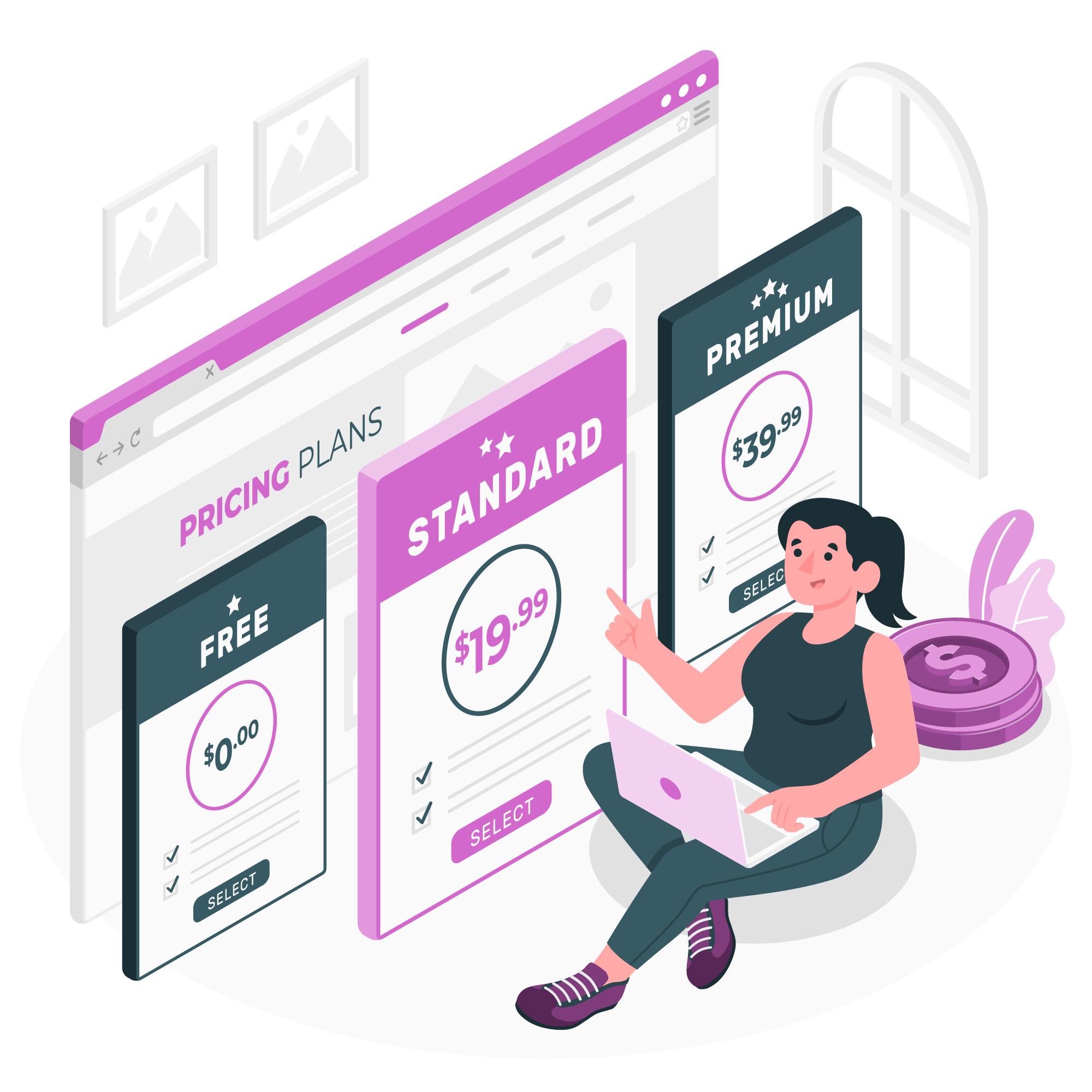
Understanding costs upfront is essential for planning your budget. Here’s a simplified overview:
| Cost Factor | Shopify | WooCommerce |
| Platform Cost | Monthly subscription | Free WordPress plugin |
| Basic Plan | $39/month | Free |
| Mid-Level Plan | $105/month | Not applicable |
| Advanced Plan | $399/month | Not applicable |
| Hosting | Included | $5–$50/month (varies by provider) |
| Domain | Included or extra (varies) | ~$10–$15/year |
| SSL Certificate | Included | Free with most hosts |
| Apps & Plugins | Paid apps often required | Free & paid plugins available |
| Themes | Free & paid themes | Free & premium themes ($50–$300) |
| Payment Fees | Extra if not using Shopify Payments | Depends on payment gateway |
| Maintenance & Updates | Handled by Shopify | Self-managed |
| Cost Predictability | High (fixed monthly pricing) | Variable (depends on hosting & plugins) |
Summary:
WooCommerce can be more affordable at the start, especially for small businesses or WordPress users. However, costs may increase with premium plugins, custom development, and higher traffic hosting. Shopify offers predictable monthly pricing, making it ideal for brands that prefer simplicity, stability, and minimal technical management.
Which Platform Should You Choose?
Here’s how I guide brands when deciding:
Choose Shopify if:
- You want a hassle-free, ready-to-go platform.
- You prefer predictable monthly costs.
- You don’t want to handle hosting, security, or maintenance.
- You want fast, scalable growth with minimal technical involvement.
Choose WooCommerce if:
- You want full customization and control over your store.
- You are comfortable with WordPress or have technical support.
- You want to optimize SEO fully.
- You are on a budget initially, but willing to manage plugins, hosting, and updates.
In short: Shopify is for speed, simplicity, and reliability. WooCommerce is for flexibility, control, and long-term scalability.
Final Thoughts
At the end of the day, both Shopify and WooCommerce are excellent platforms—but the right choice depends on your brand, your technical comfort, and your business goals.
If you want to focus on marketing, sales, and growth without technical distractions, Shopify is often the better choice. But if you want full control, advanced customization, and deep SEO capabilities, WooCommerce can be the perfect solution.
At Emerge Digital, we’ve helped brands launch and scale their online stores on both platforms. Our goal is always to align your platform choice with your brand vision, growth goals, and customer experience strategy.
Remember: a platform is just the beginning—what really matters is how you build your brand, showcase your products, and connect with your customers online.

Explore more
Ecommerce Solutions for Perfume & Fragrance Brands: Why Agencies Deliver Luxury Experiences
Ecommerce Development for Skincare & Beauty Brands: How Agencies Create Scalable Solutions
E-commerce Development for Jewellery Brands: Building Trust for High-Value Purchases

About the Author
Priya, Co-Founder of Emerge Digital, is a UI/UX enthusiast with 15 years of experience. She’s passionate about crafting user-centered designs that exceed expectations, delivering meaningful and engaging digital experiences. At Emerge Digital, Priya blends her deep expertise with a commitment to client and user needs, driving innovative design solutions.