Why UI/UX Is the Hidden Growth Engine Behind Successful Enterprise Software

When you’re building a fintech app, you’re not just designing screens—you’re designing trust. Your users are sharing financial data, moving money, and making decisions that directly affect their lives. If your app feels confusing, slow, or unclear, users won’t hesitate to abandon it.
That’s why UI/UX for fintech apps plays a critical role in adoption, retention, and long-term growth. A well-designed fintech user experience helps you reduce friction, improve onboarding completion, and create confidence at every interaction.
This blog breaks down how you can use fintech UI/UX design best practices to build secure, intuitive, and scalable financial products.
Table of Contents
- Why UI/UX Is Essential for Your Fintech App
- Understanding Your Fintech Users and Their Behaviour
- Onboarding and KYC UX: Your First Opportunity to Build Trust
- Designing Fintech Dashboards That Feel Clear and Reliable
- Micro-Interactions That Reassure Your Users
- Mobile-First UX for Fintech Apps
- Accessibility and Inclusive UX in Fintech Design
- Measuring the Impact of Your Fintech UI/UX Design
- Why Investing in Fintech UI/UX Delivers Long-Term Value
- How Emerge Digital Helps You Design Better Fintech Experiences
- Final Thoughts: Your Fintech UX Shapes User Trust

Why UI/UX Is Essential for Your Fintech App
Unlike other digital products, fintech platforms involve high-stakes user actions such as sharing sensitive financial data, completing KYC verification, transferring money, and making investment or credit decisions. From the very first interaction, users expect clarity, transparency, security cues, and reliability, any friction or confusion can instantly erode trust.
A strong fintech app UI/UX design ensures that users understand what’s happening at every step, helping them feel confident while navigating complex financial workflows. Thoughtfully designed UX for fintech applications reduces cognitive load, eliminates uncertainty, and creates a sense of control that users expect from modern financial products. This is why fintech app development plays a crucial role in shaping not just how the product looks, but how reliably and securely it functions behind the scenes.
Effective UI/UX design for fintech apps helps you:
- Increase onboarding and KYC completion rates through guided, user-friendly flows
- Reduce drop-offs during critical financial actions like payments, account setup, and verification
- Improve user confidence, engagement, and transaction success rates
- Lower support queries, errors, and failed transactions with clear feedback and error handling
- Build long-term trust, credibility, and retention in competitive fintech markets
When your fintech user experience is intuitive, consistent, and transparent, users don’t hesitate, they complete actions faster, return more often, and stay loyal to your platform over time.
Understanding Your Fintech Users and Their Behaviour
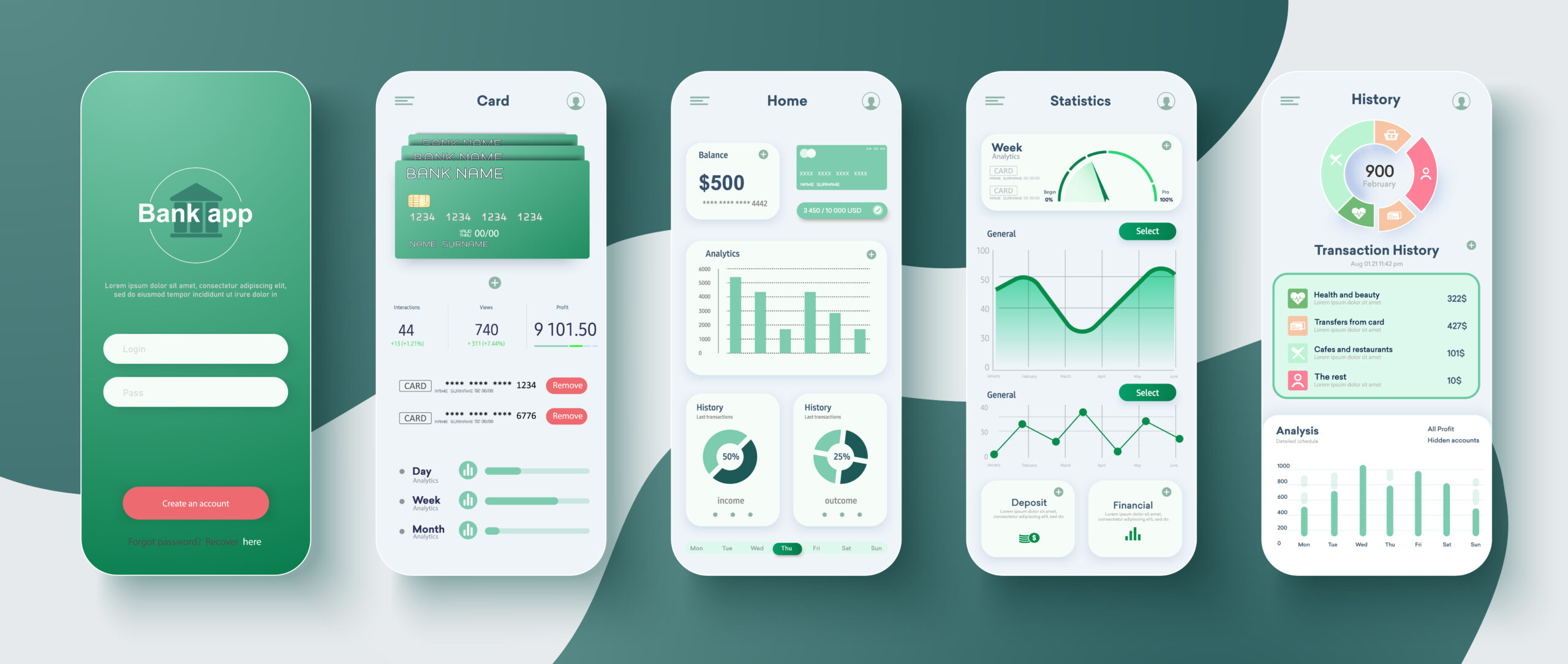
Your fintech users are highly goal-oriented and time-sensitive. They open your app with a clear purpose, to check account balances, transfer funds, complete payments, apply for credit, or review investments. Unlike browsing-based platforms, fintech apps are task-driven, which means your users expect speed, clarity, and certainty at every interaction.
Effective UX design for fintech applications focuses on minimizing effort and eliminating confusion. When your fintech user experience is well-structured, it anticipates user intent and guides people seamlessly through financial tasks, without unnecessary steps, friction, or second-guessing.
High-performing fintech UX design helps you:
- Reduce cognitive load by simplifying complex financial information and workflows
- Make actions predictable through consistent layouts, clear CTAs, and familiar interaction patterns
- Provide clear system feedback during transactions, verification, and approvals
- Use simple, financial-friendly language instead of technical or compliance-heavy jargon
When your users have to pause and “figure out” what to do next, trust drops and abandonment rises. A strong fintech app UX strategy ensures your users always know where they are, what’s happening, and what comes next, making your experience feel effortless, reliable, and confidence-driven.
Onboarding and KYC UX: Your First Opportunity to Build Trust
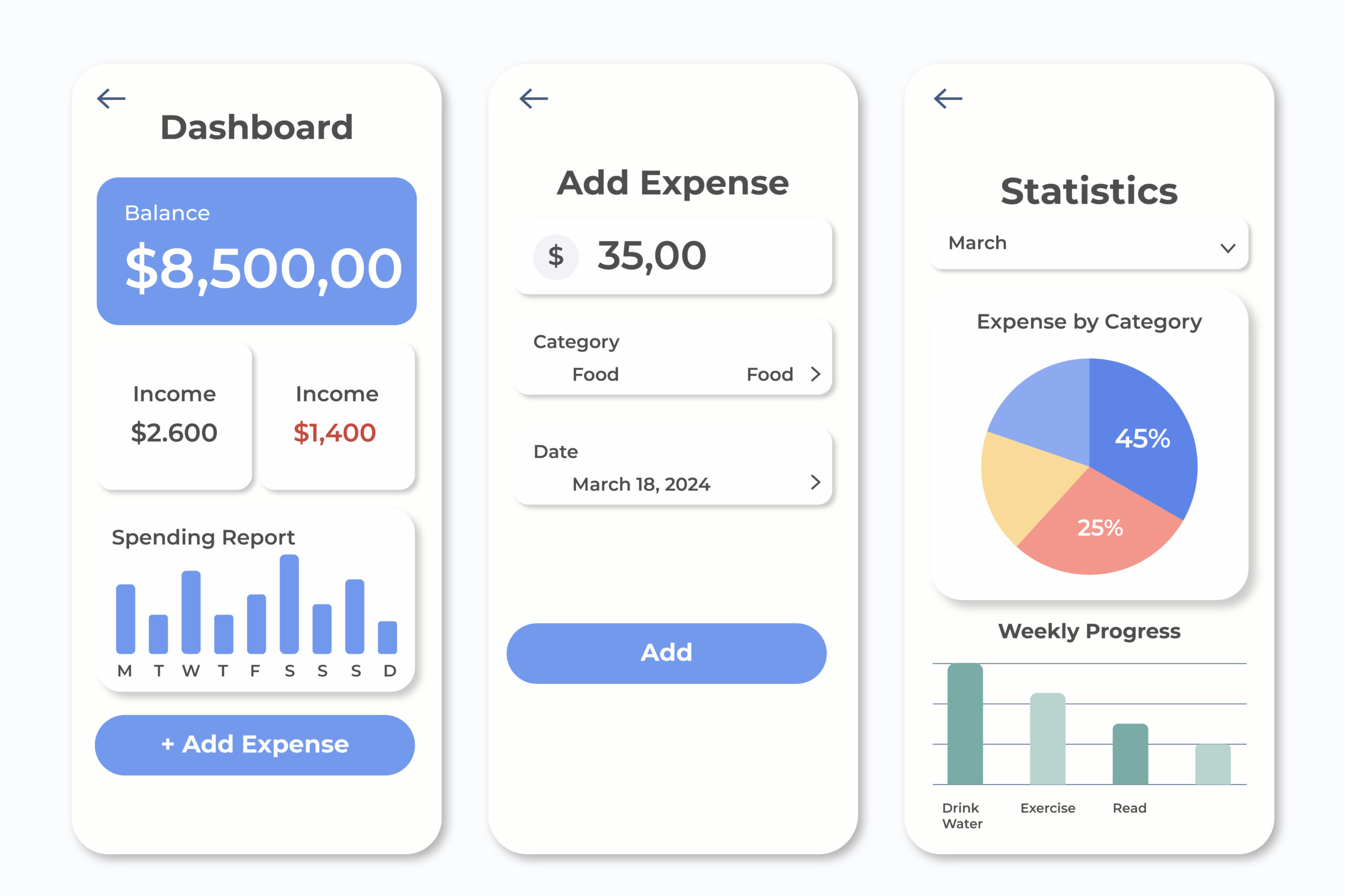
Onboarding is one of the most critical stages in fintech app UX design, it’s where your users decide whether they trust your platform with their personal and financial information. A confusing or intrusive onboarding flow can create doubt, while a clear and guided experience builds confidence from the very first interaction.
A well-designed fintech onboarding and KYC UX helps you simplify complex compliance requirements without overwhelming your users. By structuring the journey thoughtfully, your fintech user experience design reassures users that their data is secure and that every step serves a clear purpose.
An effective onboarding experience helps you:
- Break complex KYC processes into manageable, step-by-step flows
- Explain why personal and financial data is required, increasing transparency and trust
- Show progress indicators and completion status clearly, so users know what to expect
- Reduce user anxiety during verification with clear messaging and system feedback
When your onboarding experience feels transparent, predictable, and supportive, users are far more likely to complete verification, activate their accounts, and continue using your fintech app with confidence.

Designing Fintech Dashboards That Feel Clear and Reliable
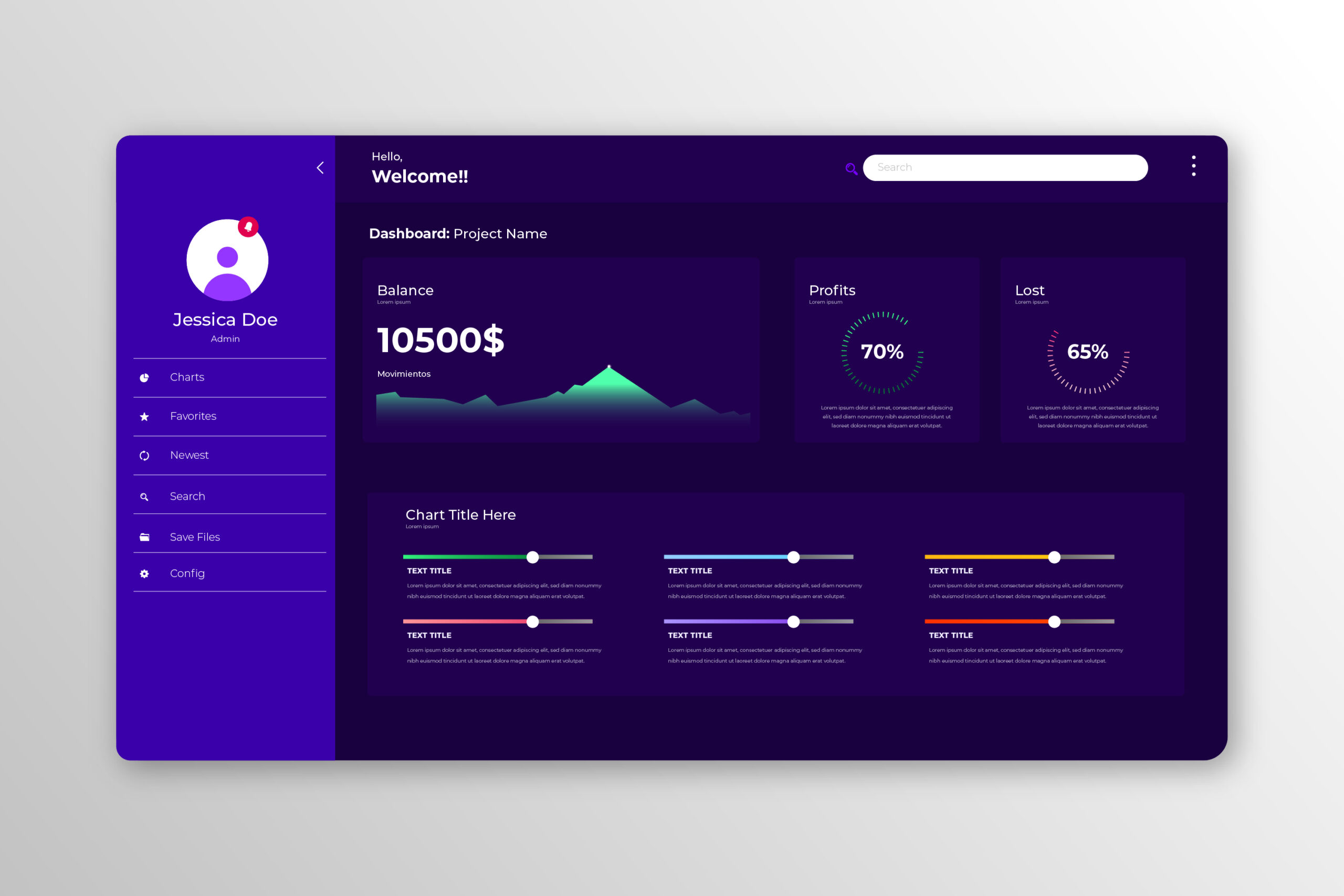
Your dashboard is the most frequently used and most trusted area of your fintech app. It’s where your users check balances, track transactions, monitor investments, and make important financial decisions. When your fintech dashboard UX is unclear or cluttered, it creates hesitation, and hesitation leads to drop-offs.
Strong fintech dashboard UI/UX design focuses on clarity, structure, and reliability. A well-designed fintech app dashboard helps your users quickly understand their financial position without confusion, unnecessary navigation, or cognitive overload.
Effective fintech dashboard UX ensures you:
- Create a clear visual hierarchy for balances, transactions, and primary actions
- Provide easy access to key financial information users need most often
- Use logical grouping of data and features to improve scannability and focus
- Maintain consistent interaction patterns that feel familiar and predictable
When your dashboard is designed with intention, your users can understand their financial status at a glance, without digging, second-guessing, or worrying about accuracy. A clear and reliable dashboard reinforces trust and encourages repeat engagement with your fintech app.
Micro-Interactions That Reassure Your Users
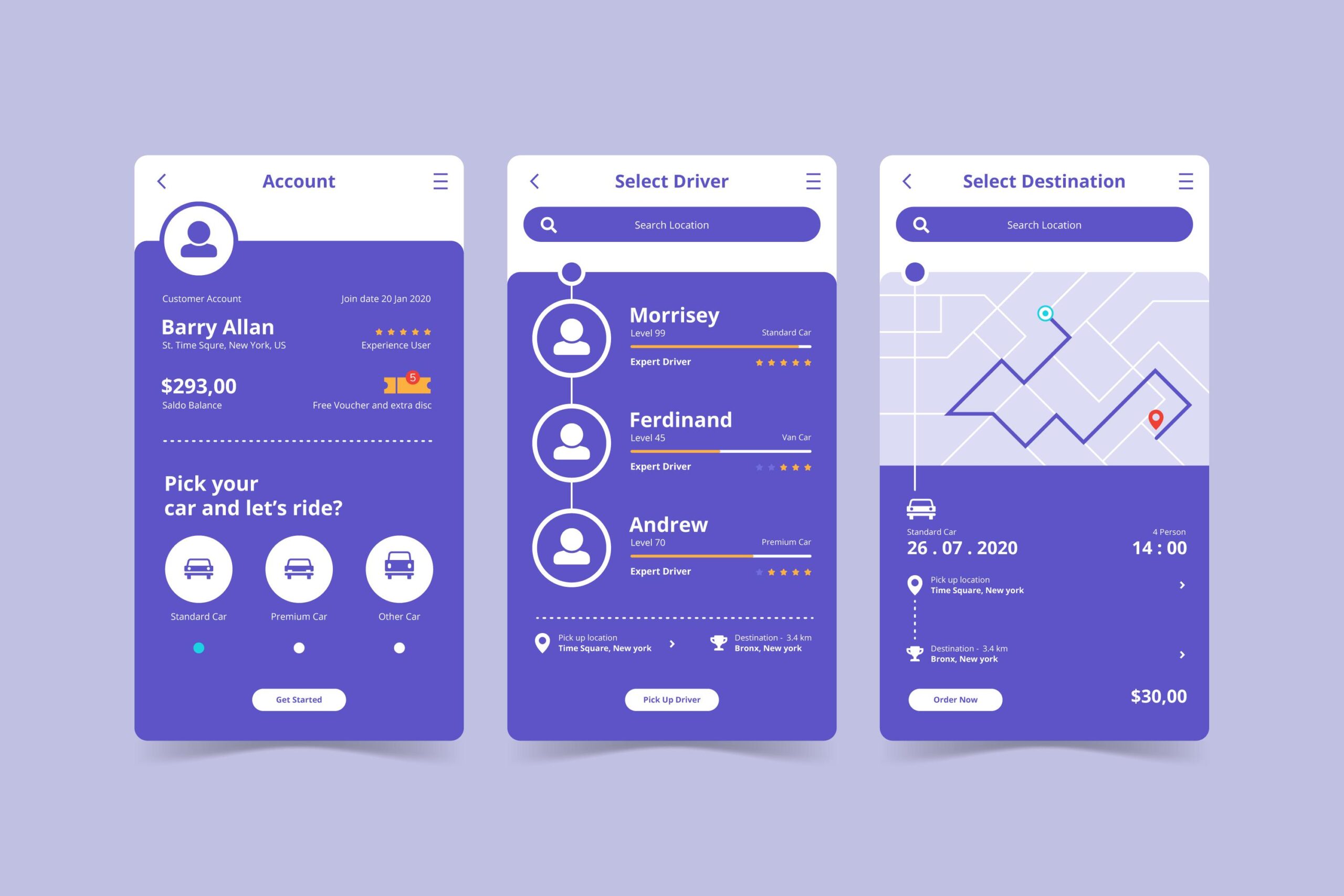
In fintech apps, small interactions play a big role in building trust. Every tap, swipe, and confirmation reassures your users that their actions, especially financial ones, are being processed correctly. Thoughtfully designed micro-interactions in fintech UX reduce uncertainty and make your app feel responsive, secure, and dependable.
Effective fintech UI/UX micro-interactions help you:
- Confirm successful transactions with clear visual and textual feedback
- Show processing and loading states so users know their request is underway
- Communicate errors clearly, along with actionable next steps to resolve them
When your users receive immediate and meaningful feedback, they feel confident and in control. These subtle UX details transform high-risk moments into calm, predictable experiences, making your fintech app feel reliable even during critical financial actions.
Mobile-First UX for Fintech Apps
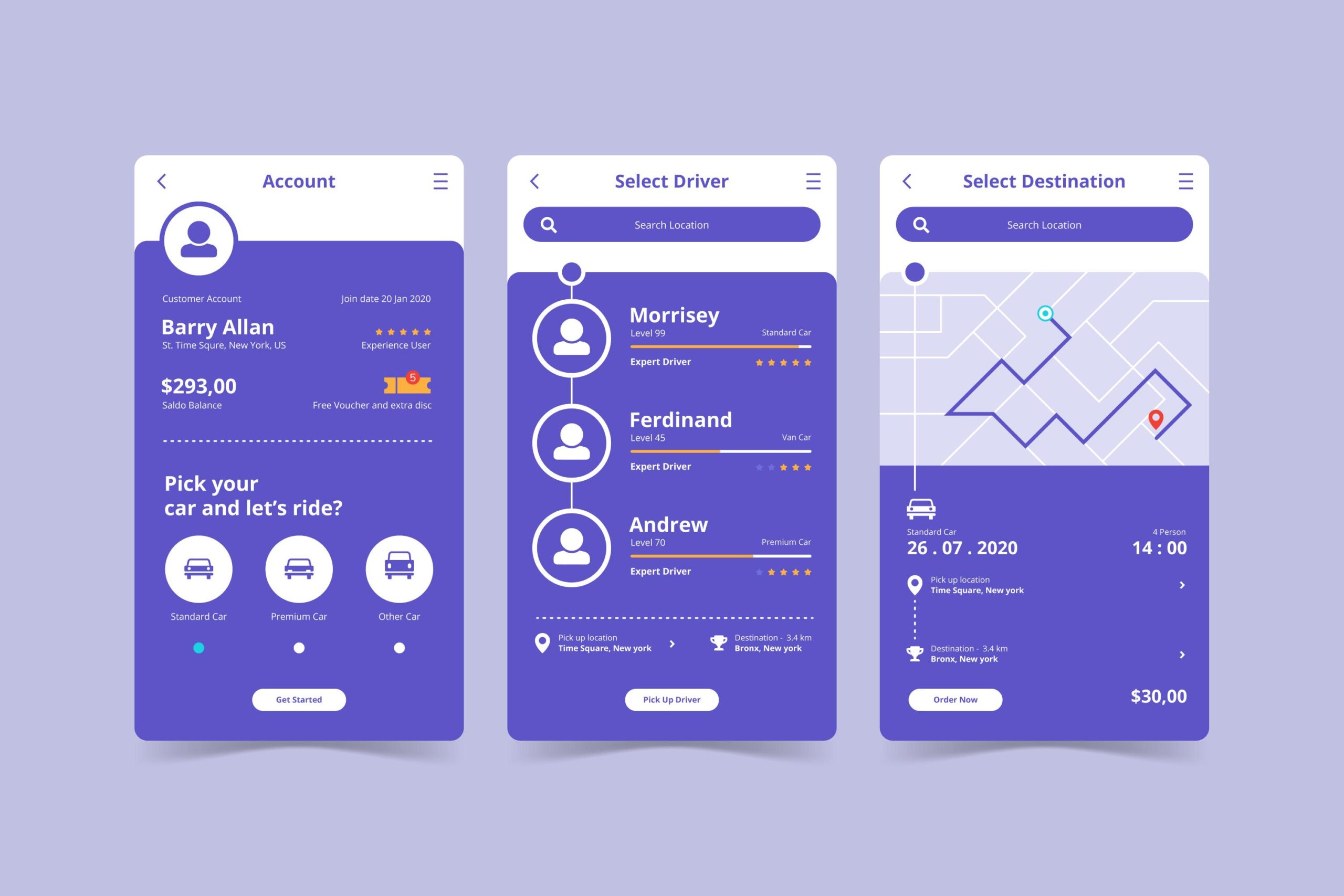
Most users interact with your fintech platform on mobile devices, which makes mobile-first fintech UX design essential for adoption and retention. Whether users are checking balances, making payments, or completing verification, your mobile experience needs to feel fast, intuitive, and effortless.
Optimised mobile UX design for fintech apps helps you design for real-world usage, small screens, one-handed interactions, and users on the move. A strong fintech mobile user experience reduces friction and ensures critical financial actions can be completed quickly and confidently.
An effective mobile-first UX helps you:
- Create thumb-friendly navigation that supports one-handed use
- Simplify forms and inputs to reduce effort during onboarding and transactions
- Reduce friction in mobile transaction flows such as payments and transfers
- Improve engagement and session duration with clean layouts and clear actions
When your mobile UX feels cluttered or complex, users abandon tasks instantly. A well-designed mobile fintech UX strategy ensures your app feels smooth, reliable, and easy to use, no matter where or how your users access it.

Accessibility and Inclusive UX in Fintech Design
Accessible UX improves usability for everyone, not just users with disabilities. When your fintech app is designed with accessibility in mind, you create a more inclusive, intuitive, and trustworthy experience for all users, regardless of ability, device, or environment.
Inclusive fintech UX design helps you remove barriers that can slow users down or prevent them from completing critical financial tasks. By prioritising accessibility, your fintech user experience becomes clearer, more predictable, and easier to navigate, especially during high-stakes interactions.
An inclusive fintech UX ensures you:
- Use readable typography and strong colour contrast for better visibility
- Provide clear, helpful error messaging that guides users to resolution
- Support keyboard navigation and screen readers for accessibility compliance
- Design simple, logical navigation flows that reduce cognitive effort
Beyond usability, accessible UX also improves overall experience quality and supports better SEO performance and usability metrics. When your fintech app works well for everyone, it strengthens trust, increases engagement, and broadens your user base.
Measuring the Impact of Your Fintech UI/UX Design
You can measure the success of your fintech UI/UX design by closely tracking how users behave and interact with your app. Instead of relying on assumptions, data-driven insights help you understand what’s working, where users hesitate, and which experiences drive long-term engagement.
By analysing fintech UX metrics and performance data, you gain clarity on how your design decisions affect onboarding, transactions, and retention. Measuring UX impact allows you to continuously refine your fintech user experience based on real usage patterns.
Key UX-driven metrics to track include:
- Onboarding and KYC completion rates to evaluate early-stage friction
- Time to first transaction, indicating how quickly users find value
- Feature adoption rates to understand usability and discoverability
- Support requests per user, revealing UX-related confusion or errors
- Retention and engagement levels that reflect long-term trust and satisfaction
Continuous UX testing, user feedback, and iteration enable you to improve your fintech app experience over time. When you measure and optimise UX using real user behaviour, you create a more intuitive, efficient, and scalable fintech product.
Why Investing in Fintech UI/UX Delivers Long-Term Value
As fintech competition continues to grow, your users compare experiences, not just features or pricing. If your app feels easier, clearer, and more trustworthy than alternatives, users are far more likely to choose you and stay with your platform over time.
Investing in UI/UX design for fintech apps helps you create a product that scales with your business and adapts to evolving user expectations. A well-crafted fintech user experience builds emotional confidence, reduces friction, and strengthens long-term relationships with your users.
Strategic investment in fintech UI/UX helps you:
- Differentiate your fintech product in crowded and highly competitive markets
- Build credibility and user trust through consistent, intuitive design
- Reduce churn by eliminating friction across key financial workflows
- Improve customer lifetime value (CLV) through higher engagement and retention
A strong fintech app UX strategy becomes a long-term competitive advantage that’s difficult to replicate. When your experience consistently meets user needs and expectations, your product doesn’t just attract users, it earns their loyalty.

How Emerge Digital Helps You Design Better Fintech Experiences
At Emerge Digital, UI/UX for fintech apps is designed with a deep focus on usability, security cues, and scalable design systems. The approach centres on helping you translate complex financial processes into intuitive, user-friendly experiences that build confidence at every interaction.
Emerge Digital works closely with you to understand your product, users, and business goals, ensuring your fintech UI/UX design supports adoption, compliance, and long-term growth. From onboarding and KYC flows to dashboards and transaction journeys, every experience is designed to feel clear, predictable, and trustworthy.
By partnering with Emerge Digital, you can:
- Simplify complex financial workflows without compromising accuracy or compliance
- Embed security cues and trust signals into your UI to reassure users
- Build scalable design systems that support future features and growth
- Improve adoption, engagement, and retention through user-centred fintech UX
The result is a fintech experience your users can rely on, and a product that’s built to scale with confidence.
Final Thoughts: Your Fintech UX Shapes User Trust
Your fintech app’s success ultimately depends on how confident your users feel while using it. When your UI/UX design is clear, intuitive, and consistent, users don’t hesitate, they complete transactions, explore features, and return with confidence.
A well-optimised fintech user experience reduces friction at every touchpoint, from onboarding and KYC to daily transactions and account management. When your app feels reliable and easy to use, trust becomes a natural outcome, not something users have to question.
If you want to improve adoption, reduce drop-offs, and build lasting user trust, investing in fintech app UI/UX design is the most impactful place to start. A strong experience doesn’t just support your product, it drives long-term growth.
Explore more
Ecommerce Solutions for Perfume & Fragrance Brands: Why Agencies Deliver Luxury Experiences
Ecommerce Development for Skincare & Beauty Brands: How Agencies Create Scalable Solutions
E-commerce Development for Jewellery Brands: Building Trust for High-Value Purchases

About the Author
Priya, Co-Founder of Emerge Digital, is a UI/UX enthusiast with 15 years of experience. She’s passionate about crafting user-centered designs that exceed expectations, delivering meaningful and engaging digital experiences. At Emerge Digital, Priya blends her deep expertise with a commitment to client and user needs, driving innovative design solutions.