Why UI/UX Is the Hidden Growth Engine Behind Successful Enterprise Software

Enterprise software is expected to do a lot, manage data, support teams, enforce processes, and scale across departments. But despite powerful features, many enterprise platforms struggle with adoption, productivity, and user satisfaction. The reason often isn’t technical. It’s experiential.
UI/UX design for enterprise software has become a critical success factor, shaping how efficiently your teams work, how quickly systems are adopted, and how scalable your software truly is.
If your enterprise application feels complex, slow, or unintuitive, users don’t just get frustrated, they find workarounds. And that’s where efficiency, data accuracy, and ROI start to slip.
Table of Contents
- Enterprise Users Don’t Want “Pretty”, They Want Clarity
- Adoption Problems Are Usually UX Problems
- Role-Based UX Is Non-Negotiable in Enterprise Systems
- Workflow Design Determines Productivity More Than Features
- Data-Heavy Interfaces Need UX Discipline
- Performance Perception Is Part of UX
- Design Systems Keep Enterprise Software Scalable
- Usability Testing Saves Enterprise Costs
- Enterprise UX Impacts Business Outcomes Directly
- How Emerge Digital Elevates Enterprise Software UX
- Final Thought: Enterprise Software Should Work the Way Your Teams Think

Enterprise Users Don’t Want “Pretty”, They Want Clarity
Unlike consumer apps, enterprise software users aren’t browsing for fun, they’re executing critical tasks under tight deadlines, switching between multiple tools, and handling large volumes of data. Your users need enterprise application UX that helps them perform efficiently without wasting time or mental energy.
Effective enterprise user experience design prioritises:
- Speed over decoration – Users expect fast-loading screens and intuitive interactions. Every extra click or animation slows down workflows and impacts productivity.
- Predictability over novelty – Consistent patterns, familiar navigation, and predictable workflows reduce errors and training needs, helping your teams get work done faster.
- Clarity over visual flair – Clean layouts, clear labels, and logical task sequences ensure users focus on outcomes, not figuring out the interface.
Your users don’t want to think about how to use the software, they want to complete tasks with confidence and minimal friction. That’s why usability-focused UI/UX for enterprise software, enterprise workflow design, and role-based interface design consistently outperform feature-heavy but poorly designed systems. Investing in enterprise software UI/UX design improves adoption rates, reduces errors, and maximizes ROI, turning complex platforms into intuitive tools your teams actually enjoy using.
Adoption Problems Are Usually UX Problems
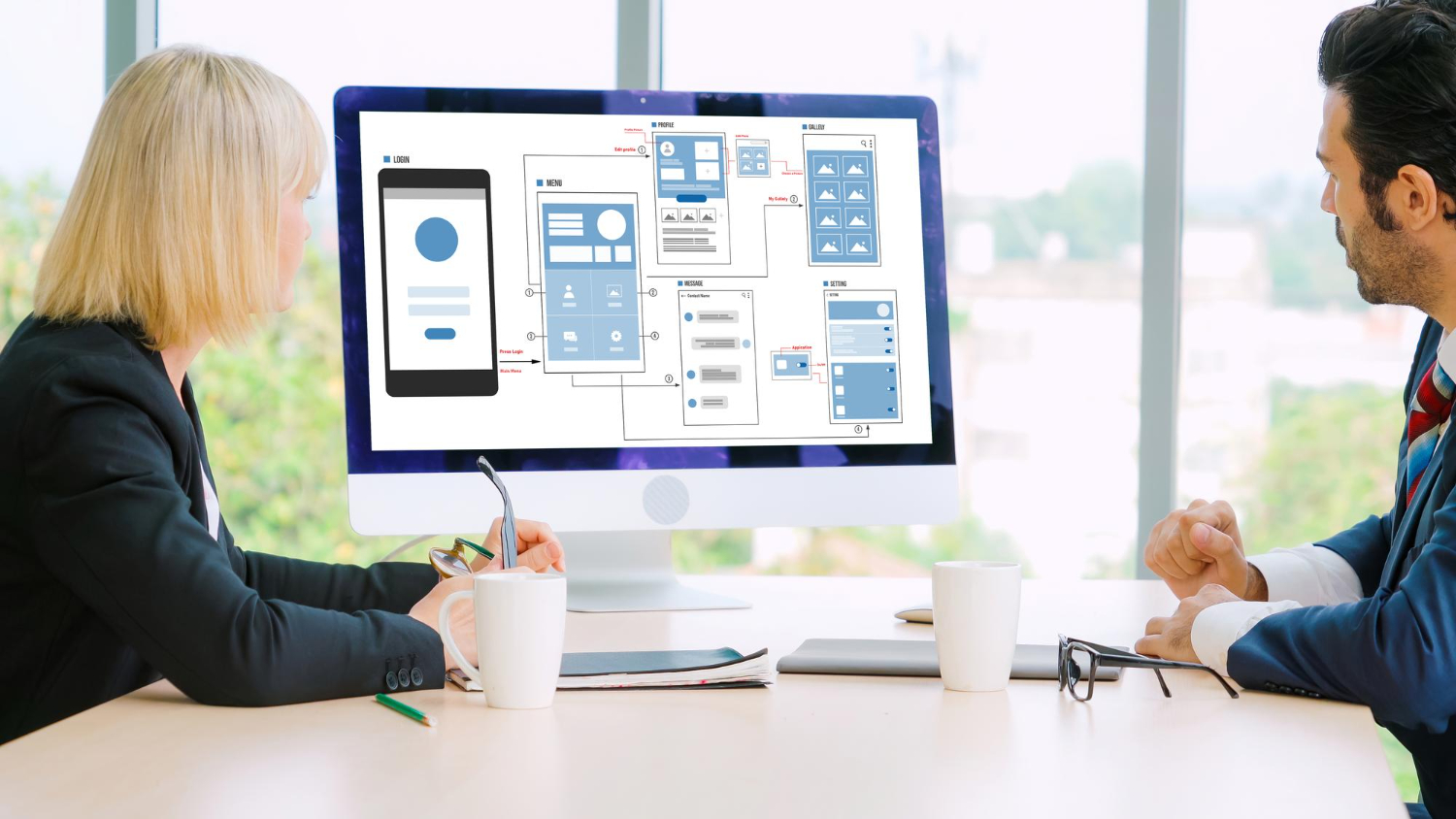
When your enterprise software adoption is low, the root cause is rarely resistance to change, it’s resistance to confusing interfaces and poorly designed workflows. Your teams won’t embrace a system that feels complicated, unintuitive, or misaligned with how they actually work.
Strong UX design for enterprise software platforms improves adoption by:
- Reducing learning curves – Intuitive onboarding, clear task flows, and contextual guidance help your users get productive faster.
- Making workflows self-explanatory – Users should be able to complete tasks without constant reference guides or training manuals.
- Aligning interfaces with real job roles – Role-based UX ensures managers, operators, analysts, and admins see exactly what’s relevant to their responsibilities.
- Eliminating unnecessary steps – Streamlined processes reduce clicks, prevent errors, and save time across your enterprise teams.
When your software mirrors how users already think and work, adoption becomes natural and effortless, not forced. By investing in enterprise software UX design, workflow optimisation, and role-focused interface design, you can transform complex platforms into tools that your teams rely on every day, improving productivity, satisfaction, and return on software investment.
Role-Based UX Is Non-Negotiable in Enterprise Systems
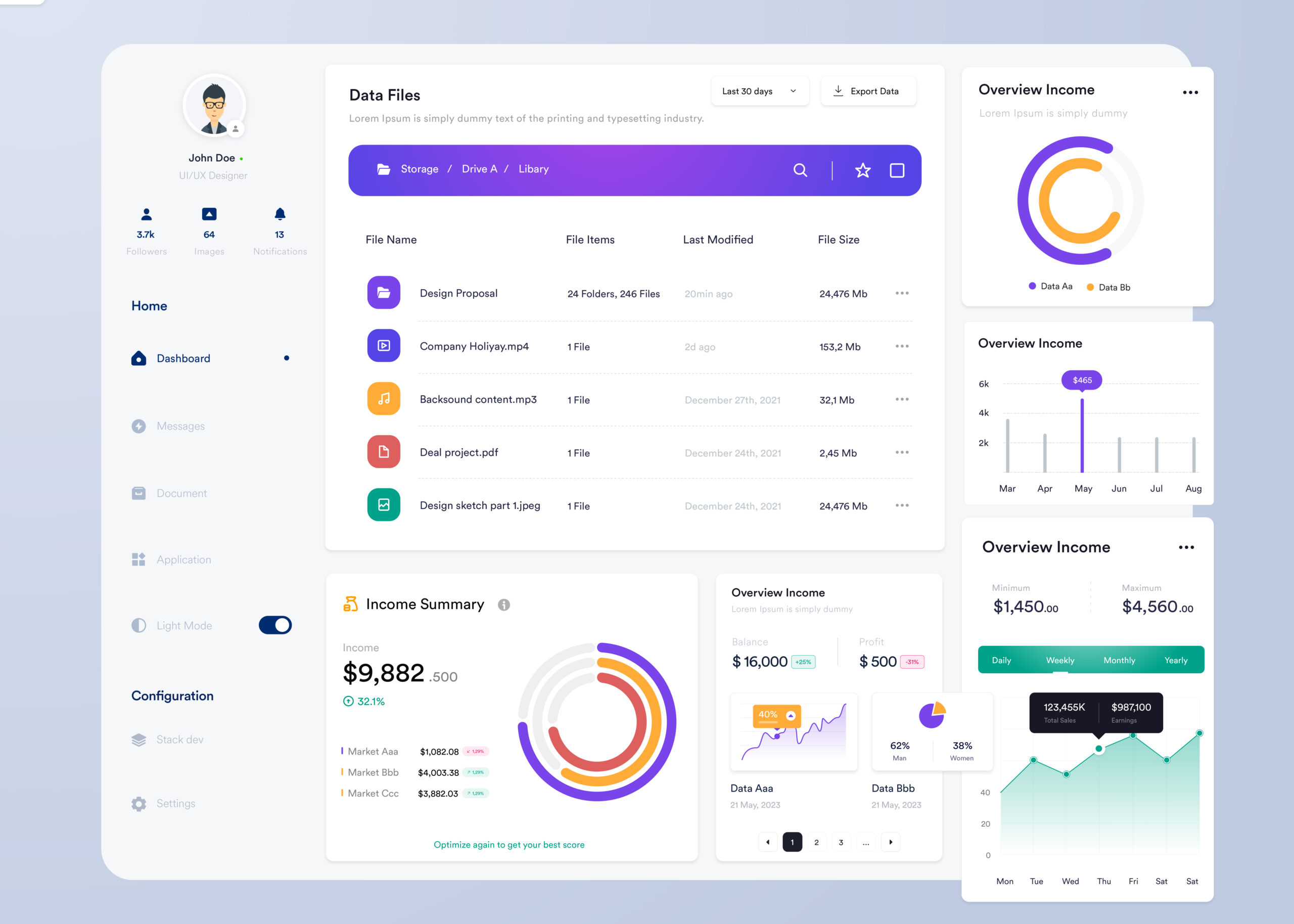
Enterprise platforms often serve multiple user roles, admins, managers, operators, analysts, each with distinct goals, permissions, and workflows. If your software treats everyone the same, your users face cluttered interfaces, confusion, and slower task completion.
Role-aware enterprise UI/UX design ensures:
- Dashboards show only relevant data – Users immediately see the metrics, KPIs, and insights that matter to their responsibilities, reducing time wasted searching for information.
- Actions are contextually placed – Buttons, menus, and workflow steps appear where they are needed, helping your teams complete tasks faster and more accurately.
- Navigation adapts to user responsibilities – Simplified menus and role-specific access prevent information overload and improve efficiency.
- Cognitive load is reduced – By presenting only what’s relevant, you allow users to focus on their work instead of figuring out the interface.
Designing one interface for everyone leads to clutter and frustration. Designing for roles leads to efficiency, higher adoption, and measurable productivity gains. With enterprise software UX tailored for roles, you ensure every user experiences a smooth, intuitive workflow, turning complex systems into tools your teams actually rely on.

Workflow Design Determines Productivity More Than Features
In enterprise environments, well-designed workflows are the backbone of productivity. Even a minor inefficiency multiplied across hundreds of users can lead to significant time loss, errors, and operational costs. Your enterprise software’s success doesn’t come from having the most features, it comes from how efficiently your teams can use them.
Optimised UX for complex enterprise workflows focuses on:
- Logical task sequences – Intuitive step-by-step flows guide users naturally through their work, reducing confusion and improving task completion speed.
- Clear system feedback – Instant notifications, confirmations, and alerts help your users understand the impact of their actions and prevent mistakes.
- Error prevention and recovery – Thoughtful design anticipates user errors, provides guidance, and makes recovery simple, reducing downtime and frustration.
- Reduced manual intervention – Automated processes, smart defaults, and pre-filled inputs save time and minimize repetitive tasks.
When workflows are designed intentionally with enterprise UX principles, your users move faster, make fewer mistakes, and rely on your software as a trustworthy tool for day-to-day operations. Investing in enterprise workflow UX design ensures your software is not just feature-rich, but productivity-focused and adoption-ready, delivering measurable ROI for your business.
Data-Heavy Interfaces Need UX Discipline
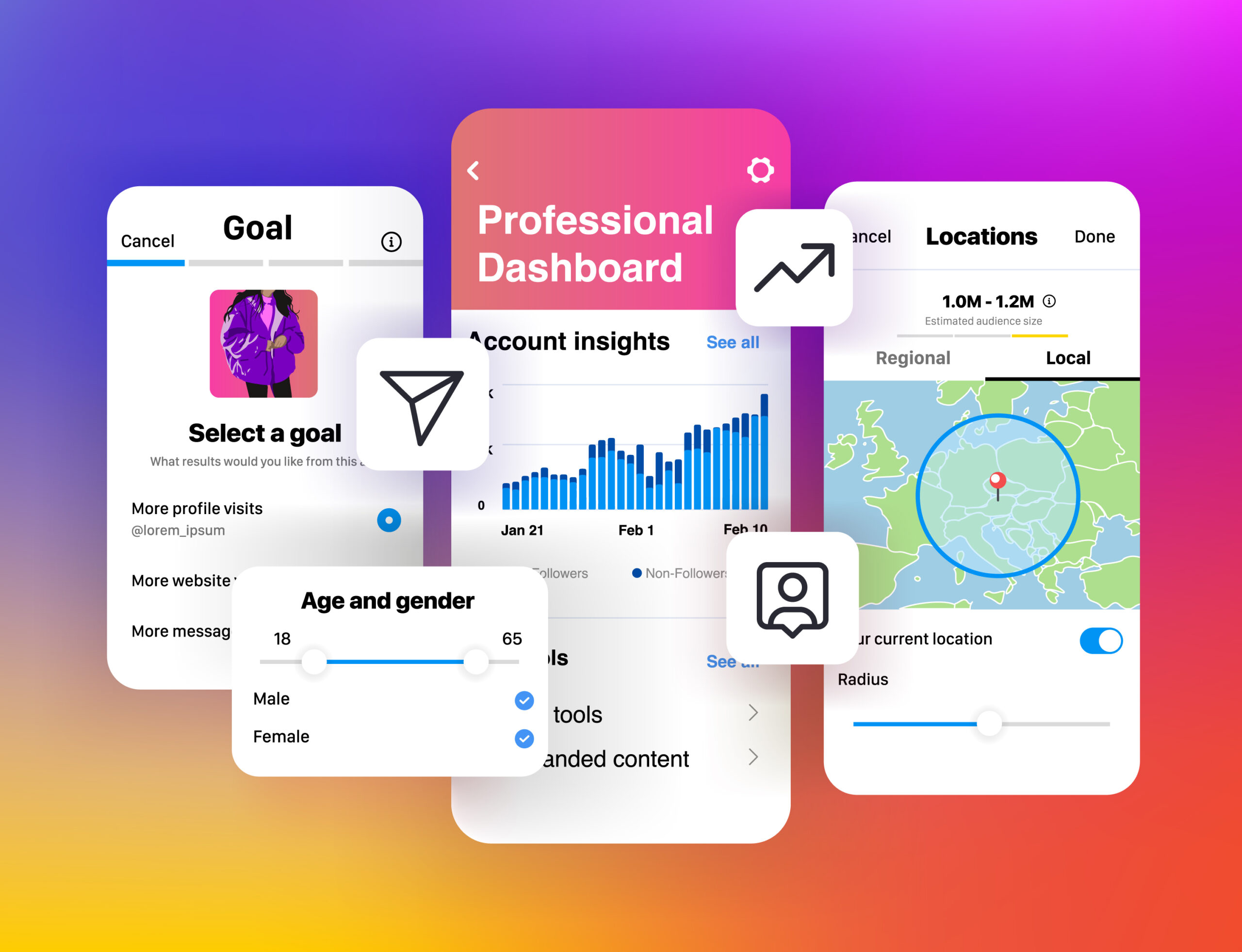
Enterprise software often handles complex dashboards, analytics, and large data sets, which can quickly overwhelm your users if not designed thoughtfully. Without a disciplined approach to enterprise software UX, even the most powerful platform can feel cluttered, confusing, and hard to use, leading to mistakes, slower decision-making, and lower adoption.
Well-executed dashboard UX design for enterprise software helps you:
- Highlight key KPIs without clutter – Present critical metrics clearly, so your users immediately know what requires attention.
- Create visual hierarchy in dense data – Use typography, spacing, and visual cues to guide your teams through complex reports efficiently.
- Enable faster decision-making – Intuitive layouts, actionable insights, and context-aware dashboards reduce the time it takes to interpret data and act on it.
- Reduce dependency on training – When dashboards are clear, structured, and role-specific, your teams can rely on the system without constant guidance.
The goal isn’t to show all data, it’s to show the right data, to the right users, at the right time. Investing in enterprise dashboard UX ensures your software transforms raw data into actionable intelligence, empowering your teams to work smarter, faster, and with confidence.
Performance Perception Is Part of UX
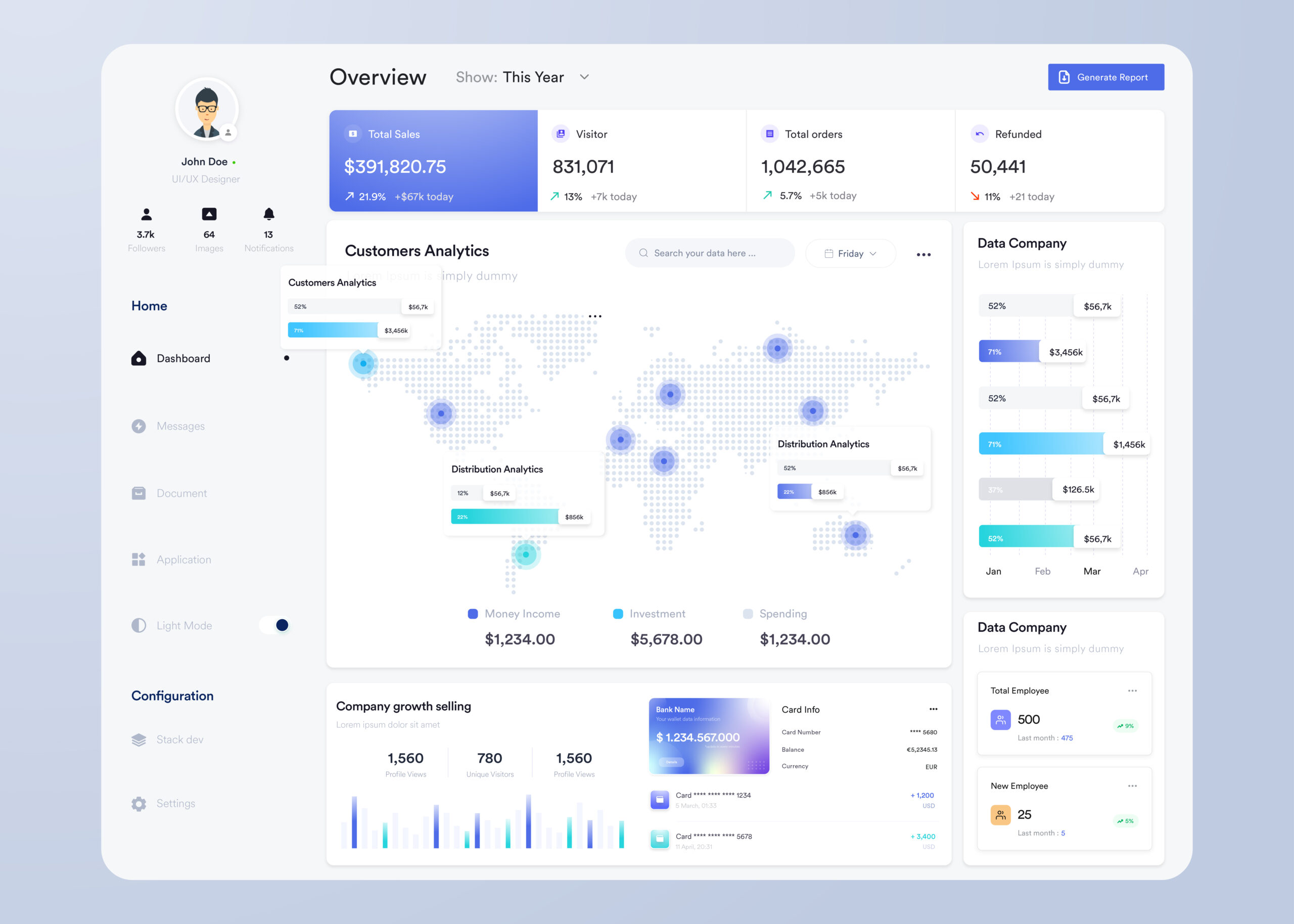
Enterprise users are highly sensitive to software performance. Even if your system is technically fast, poor interface design, cluttered dashboards, or slow transitions can make your platform feel sluggish. When users perceive slowness, productivity drops, adoption suffers, and confidence in your enterprise software decreases.
High-performing enterprise software UX design considers:
- Perceived load time – Optimize screen elements, progressive loading, and visual cues so your users feel the system responds instantly.
- Smooth transitions between tasks – Seamless navigation between modules or dashboards reduces cognitive load and keeps your teams engaged.
- Minimal UI re-renders – Efficient front-end design prevents lag, ensuring updates and interactions happen fluidly.
- Efficient data presentation – Prioritize key information, reduce unnecessary animations, and present insights clearly to avoid performance bottlenecks.
When your enterprise software feels fast and responsive, your users trust it more, rely on it more, and complete tasks more efficiently. By focusing on UX-driven performance optimisation, you turn perceived speed into a tangible advantage, boosting adoption, retention, and overall ROI.

Design Systems Keep Enterprise Software Scalable
As your enterprise platform grows, inconsistent UI and fragmented experiences can become major obstacles. Adding new features, onboarding additional teams, or expanding modules without a cohesive design approach often leads to confusion, errors, and decreased adoption.
A structured enterprise software design system ensures scalability while maintaining high-quality UX across all touchpoints:
- Consistent UI patterns across modules – Users immediately understand workflows and interface behavior, reducing training needs and errors.
- Faster product updates – Standardized components accelerate development and ensure new features integrate seamlessly.
- Easier collaboration between design and development – Designers, developers, and product managers work in sync, minimizing miscommunication and rework.
- Long-term scalability without UX debt – A strong design system prevents inconsistent interfaces from slowing growth or degrading user satisfaction.
Design systems aren’t just visual assets, they’re operational assets. Investing in a scalable enterprise UX design system guarantees that your software remains intuitive, efficient, and future-proof, allowing your teams to focus on work instead of figuring out the tools.
Usability Testing Saves Enterprise Costs
Fixing usability issues after your enterprise software has been rolled out can be extremely costly, both in time and resources. In complex enterprise environments, every workflow inefficiency or confusing interface can multiply across teams, leading to wasted hours, increased errors, and lower adoption rates.
Conducting early usability testing for enterprise applications ensures you catch problems before they affect your users. This approach helps you:
- Identify friction points before deployment – Spot confusing navigation, unclear labels, or workflow bottlenecks early, preventing disruption to your teams.
- Reduce training and support costs – Intuitive design and role-focused UX mean your users can navigate the system with minimal guidance.
- Improve system confidence among users – When your software feels natural and easy to use, your teams trust it more and rely on it daily.
- Validate workflows with real users – Test features and processes in realistic scenarios to ensure they align with your employees’ actual tasks and needs.
Enterprise UX validation isn’t optional, it’s risk management for your software investment. By integrating usability testing and user feedback early, you save costs, increase adoption, and turn your enterprise software into a productivity-boosting tool your teams can depend on.
Enterprise UX Impacts Business Outcomes Directly
Good UI/UX for enterprise software does more than enhance user satisfaction, it directly improves your business metrics. When your software is intuitive, efficient, and aligned with real workflows, your teams can perform tasks faster, make fewer mistakes, and focus on outcomes rather than figuring out the system.
Strategic enterprise UX design solutions lead to measurable results, including:
- Higher system adoption – Intuitive interfaces and role-based design encourage your teams to use the software consistently, maximizing your investment.
- Faster task completion – Streamlined workflows, predictive navigation, and clear feedback reduce time spent on repetitive or complex processes.
- Reduced operational errors – Thoughtful UX prevents mistakes, improving data accuracy and operational reliability.
- Lower support overhead – Self-explanatory interfaces and contextual guidance reduce training needs and reliance on IT support.
- Better return on software investment – When your users adopt the system quickly and work efficiently, the ROI on your enterprise software skyrockets.
When enterprise UX is done right, it becomes a competitive advantage you can measure. Investing in user-focused interface design, workflow optimisation, and usability testing ensures your software not only meets functional requirements but actively drives productivity, efficiency, and business growth.

How Emerge Digital Elevates Enterprise Software UX
At Emerge Digital, we approach enterprise software UI/UX design as a strategic growth driver, not just a visual upgrade. Our team combines deep UX research, role-based design, and workflow optimization to create interfaces that your teams actually want to use.
We help businesses:
- Boost software adoption with intuitive, role-specific dashboards and workflows
- Enhance productivity through streamlined, task-focused UX for complex enterprise processes
- Reduce operational errors with clear feedback, error prevention, and data-driven interface decisions
- Future-proof enterprise platforms with scalable design systems and consistent UI patterns
- Validate every design decision with usability testing to ensure maximum ROI
With 5+ years of experience and 100+ digital products delivered, Emerge Digital is your partner for designing enterprise software experiences that are efficient, intuitive, and adoption-ready. We combine user-focused design, performance optimization, and operational scalability to ensure your software is not just used, but relied upon.
Final Thought: Enterprise Software Should Work the Way Your Teams Think
Your enterprise software is used daily, often for years. Every friction point compounds over time.
When your UI/UX is designed around real workflows, real users, and real constraints, your software stops feeling like a system, and starts feeling like a tool your teams rely on.
And that’s where enterprise software delivers its true value.
By investing in enterprise UX design, workflow optimisation, and usability-focused interfaces, you ensure your software delivers its true value: faster task completion, reduced errors, higher adoption, and measurable ROI.
Explore more
Ecommerce Solutions for Perfume & Fragrance Brands: Why Agencies Deliver Luxury Experiences
Ecommerce Development for Skincare & Beauty Brands: How Agencies Create Scalable Solutions
E-commerce Development for Jewellery Brands: Building Trust for High-Value Purchases

About the Author
Priya, Co-Founder of Emerge Digital, is a UI/UX enthusiast with 15 years of experience. She’s passionate about crafting user-centered designs that exceed expectations, delivering meaningful and engaging digital experiences. At Emerge Digital, Priya blends her deep expertise with a commitment to client and user needs, driving innovative design solutions.