Design Trends 2026: Human-Centered, AI-Enhanced, and Future-Ready UI/UX
UI UX Design in 2026 isn’t about chasing trends—it’s about creating experiences your users actually enjoy. If your website looks stunning but leaves visitors confused, overwhelmed, or unsure where to click, it’s not doing its job.
At Emerge Digital, we help you design for your users, not just screens. That means combining human-first principles, AI-powered interactions, and adaptive layouts to create websites and products that not only look great but also perform and convert.
In this blog, you’ll discover 8 top design trends shaping 2026—and how you can apply them to make your website more intuitive, engaging, and results-driven.
Table of Contents
- Human-Centered Design: Putting Your Users First
- AI-Enhanced Experiences: Smarter, Personalized Interfaces
- Motion & Interaction: Guiding Your Visitors Naturally
- Immersive & Multi-Dimensional Visuals: Making Your Site Feel Alive
- Bold Typography & Expressive Type: Let Your Words Speak
- Modular & Dynamic Layouts: Flexible Designs That Grow With You
- Ethical & Accessibility-First UIs: Design for Everyone
- Designing for Growth: Future-Proof Your Product With Emerge Digital

Human-Centered Design: Putting Your Users First
Your website isn’t just a collection of pages—it’s a living experience for real people. Human-centered design ensures your visitors can understand your message, navigate easily, and take action without friction. When your site is designed with real users in mind, every interaction feels intuitive, from landing pages to checkout flows.
How you can do it:
- Listen to your users: Conduct surveys, usability tests, and feedback sessions to understand what they need, what frustrates them, and what delights them. This insight helps you make UX UI design decisions that truly resonate.
- Prioritize accessibility: Ensure your site works for everyone. Screen readers, keyboard navigation, and high-contrast color options are essential. Accessible design isn’t just ethical—it boosts engagement and helps you reach a wider audience.
- Map their journey: Plan each step of your user’s path. From discovering a product to completing a purchase, make sure users know exactly what to do next. In ecommerce UI UX design, this can dramatically reduce drop-offs and improve conversion rates.
- Focus on clarity and simplicity: Avoid clutter, confusing menus, or excessive options. Clear layouts and straightforward navigation help users find what they want faster, keeping them engaged and more likely to act.
- Design with consistency: Align buttons, headings, and visual elements across your website to create a cohesive experience. Consistency builds trust and strengthens your brand perception.
Why it matters for your business:
When you design with your users in mind, your website feels intuitive, professional, and trustworthy. Visitors spend more time exploring, engage more with your content, and are far more likely to convert—whether that’s signing up for a newsletter, making a purchase, or contacting your team.
For ecommerce businesses, human-centered design in UI UX ensures that customers can navigate product pages effortlessly, understand offers clearly, and move through checkout without friction. Every thoughtful design choice—from layout to button placement—can directly impact your sales and customer satisfaction.
Investing in UX UI design that centers on your users isn’t just about aesthetics—it’s about creating digital experiences that drive results, loyalty, and growth.
AI-Enhanced Experiences: Smarter, Personalized Interfaces
AI isn’t here to replace designers—it’s here to help you create smarter, more personalized experiences for your users. In 2026, your website can do more than just look good; it can adapt to each visitor’s behavior, suggest relevant content, and make every interaction feel seamless. This is a key part of modern UX UI design, especially for ecommerce sites where personalization drives conversions.
Practical tips for your site:
- Use AI for product and content recommendations: Show visitors items or articles they’re most likely to engage with based on past interactions. In ecommerce UI UX design, this can increase cross-selling and upselling opportunities.
- Add smart forms and guides: AI-powered forms can auto-fill information, suggest options, or guide users step by step, reducing friction and making the experience effortless.
- Enable dynamic, adaptive layouts: Let your pages respond to individual user behavior. Highlight sections your visitors care about most, rearrange elements based on engagement, and create a more personalized browsing experience.
- Leverage chatbots or virtual assistants: AI-driven chat interfaces can answer questions, provide recommendations, or help with checkout, enhancing usability while boosting conversion rates.
Why it matters for your business:
AI-driven experiences keep visitors engaged longer, help them find what they need faster, and increase the chances they’ll take action—whether that’s signing up, buying a product, or reaching out to you. For ecommerce websites, personalized experiences can directly improve average order value and customer retention.
When your website adapts to your users, it works harder for your business. Thoughtful implementation of AI in your UX UI design doesn’t just improve user satisfaction—it drives measurable growth by turning casual visitors into loyal customers.
Motion & Interaction: Guiding Your Visitors Naturally
Motion isn’t just decoration—it’s a powerful communication tool in modern UX UI design. Subtle animations, hover effects, and interactive feedback show your users exactly where to focus and what actions to take next. When done right, motion makes your website feel alive, intuitive, and easy to navigate, rather than static or confusing.
How to apply it:
- Highlight key actions: Use subtle animations to draw attention to buttons, links, or calls-to-action. This makes it easier for visitors to know where to click and what’s important.
- Provide action feedback: Show visual confirmation when users complete an action, like adding a product to the cart, submitting a form, or selecting an option. This reduces uncertainty and keeps users confident in their interactions.
- Keep it purposeful: Motion should guide, not distract. Avoid excessive animations that overwhelm your visitors or slow down your site. Focus on smooth transitions, micro-interactions, and subtle cues that improve clarity.
- Enhance scanning and flow: Animations can guide the user’s eye along a content path, helping them consume information naturally. For example, a small slide-in effect for product images or content sections can draw attention without being intrusive.
Why it matters for your business:
Motion and interactive cues are key elements of ecommerce UI UX design because they reduce friction and guide your users through important actions. When visitors understand what to do intuitively, they engage more, spend longer on your site, and are more likely to convert.
Incorporating motion thoughtfully also communicates professionalism and attention to detail, enhancing trust and credibility. Whether it’s micro-animations on buttons, interactive product galleries, or subtle page transitions, the right motion strategy ensures your website is both functional and delightful.
Immersive & Multi-Dimensional Visuals: Making Your Site Feel Alive
Your website shouldn’t feel flat or static—immersive, multi-dimensional visuals bring your design to life. By adding depth, layering images and videos, or using subtle 3D effects, you can create a richer digital experience that draws visitors in and keeps them exploring. This is especially important in ecommerce UI UX design, where visual hierarchy and attention-grabbing elements can directly impact sales.
Tips for your website:
- Use depth strategically: Highlight your most important content with layered visuals or shadow effects to guide users naturally through your site.
- Combine media thoughtfully: Mix images, subtle videos, and graphics to create visual interest without overwhelming your visitors. For product pages, this can showcase your offerings in a dynamic and engaging way.
- Keep interactions intuitive: Don’t let visuals distract from your message or calls-to-action. Smooth parallax scrolling, hover animations, or layered content should enhance usability, not confuse users.
- Leverage immersive storytelling: Visual layers can help tell your brand story, demonstrate product features, or explain services in a way that’s more engaging than plain text.
Why it matters for your business:
Immersive visuals make your website memorable, modern, and professional. Visitors are more likely to explore, interact, and engage with your content—especially on ecommerce sites where product images and CTAs need to stand out. Well-executed visuals not only capture attention but also guide users toward taking action, increasing conversion rates and overall engagement.
When paired with thoughtful UX UI design, multi-dimensional visuals transform your website into an experience, not just a collection of pages. They help your visitors connect emotionally with your brand, creating a lasting impression that encourages loyalty and repeat visits.

Bold Typography & Expressive Type: Let Your Words Speak
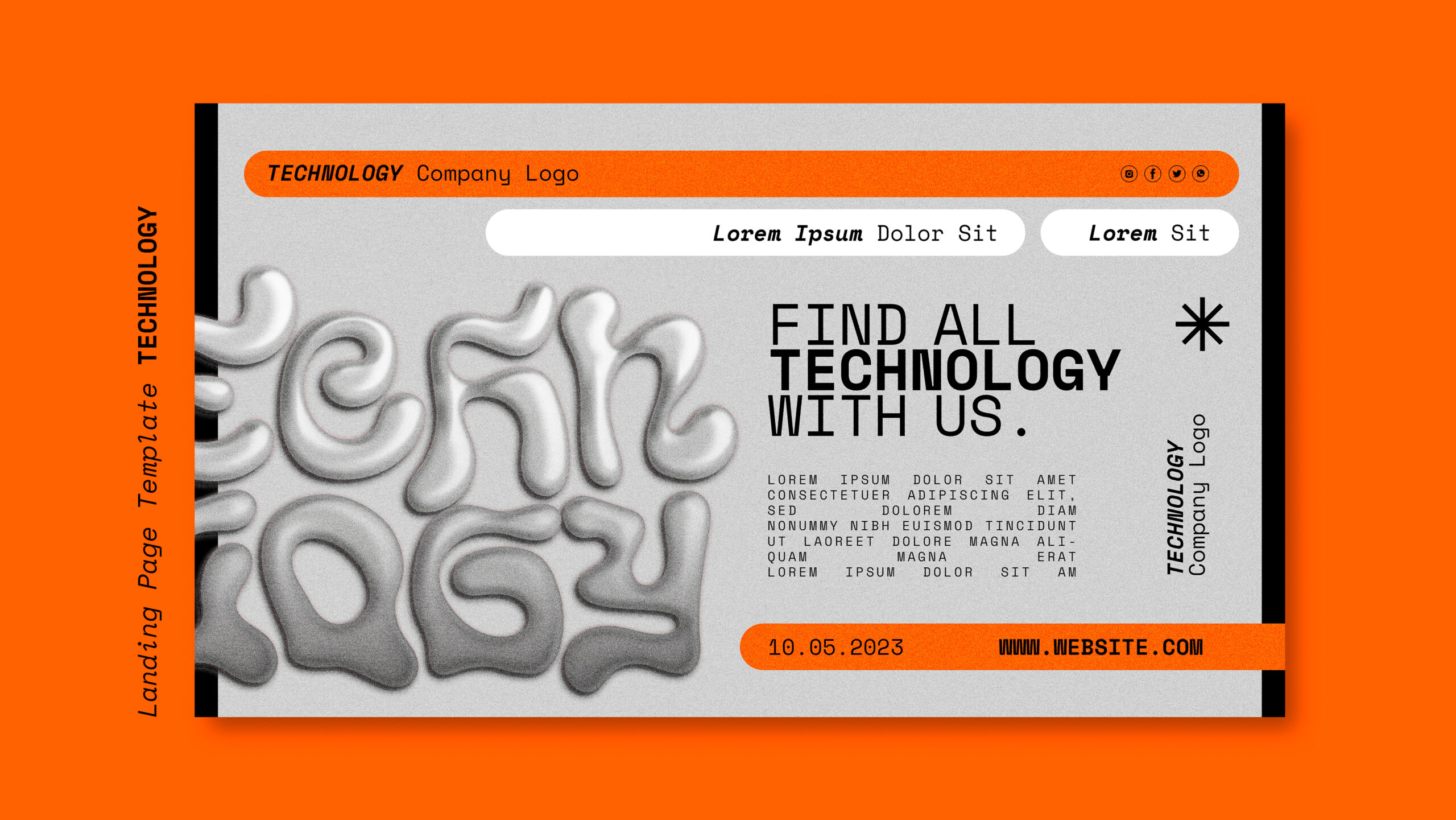
Typography is no longer just text—it’s a core part of your brand identity. The fonts you choose, the size, weight, and even subtle animations can communicate tone, create hierarchy, and make your website truly memorable. In modern UX UI design, expressive typography isn’t just about aesthetics—it’s about guiding your visitors, highlighting key information, and improving conversion-focused design.
Tips for your design:
- Use large, bold headings: Make your main messages impossible to miss. This helps guide visitors naturally through your content and ensures they see your most important points first.
- Combine fonts thoughtfully: Stick to 2–3 complementary font families to maintain readability and style consistency across your website. Avoid mixing too many fonts, which can feel chaotic or unprofessional.
- Add subtle motion or responsive scaling: Animated text, hover effects, or size adjustments on different devices create a dynamic, engaging experience without overwhelming your users.
- Prioritize hierarchy: Differentiate headings, subheadings, and body text using size, weight, or style. This makes content easier to scan and helps users understand what matters most.
Why it matters for you:
Well-executed typography guides your visitors’ attention, improves comprehension, and strengthens your overall brand presence. In ecommerce UI UX design, it ensures product names, descriptions, prices, and calls-to-action stand out, reducing friction in the buying process and improving conversion rates.
Expressive, bold type also communicates professionalism and trust. When your visitors can quickly scan and understand your content, they’re more likely to engage, explore products, and take action—whether that’s adding items to the cart, signing up for a newsletter, or contacting you directly.
In short, typography isn’t just about fonts—it’s a strategic tool in your UX UI design toolkit that helps your website communicate clearly, guide users efficiently, and drive measurable results.
Modular & Dynamic Layouts: Flexible Designs That Grow With You
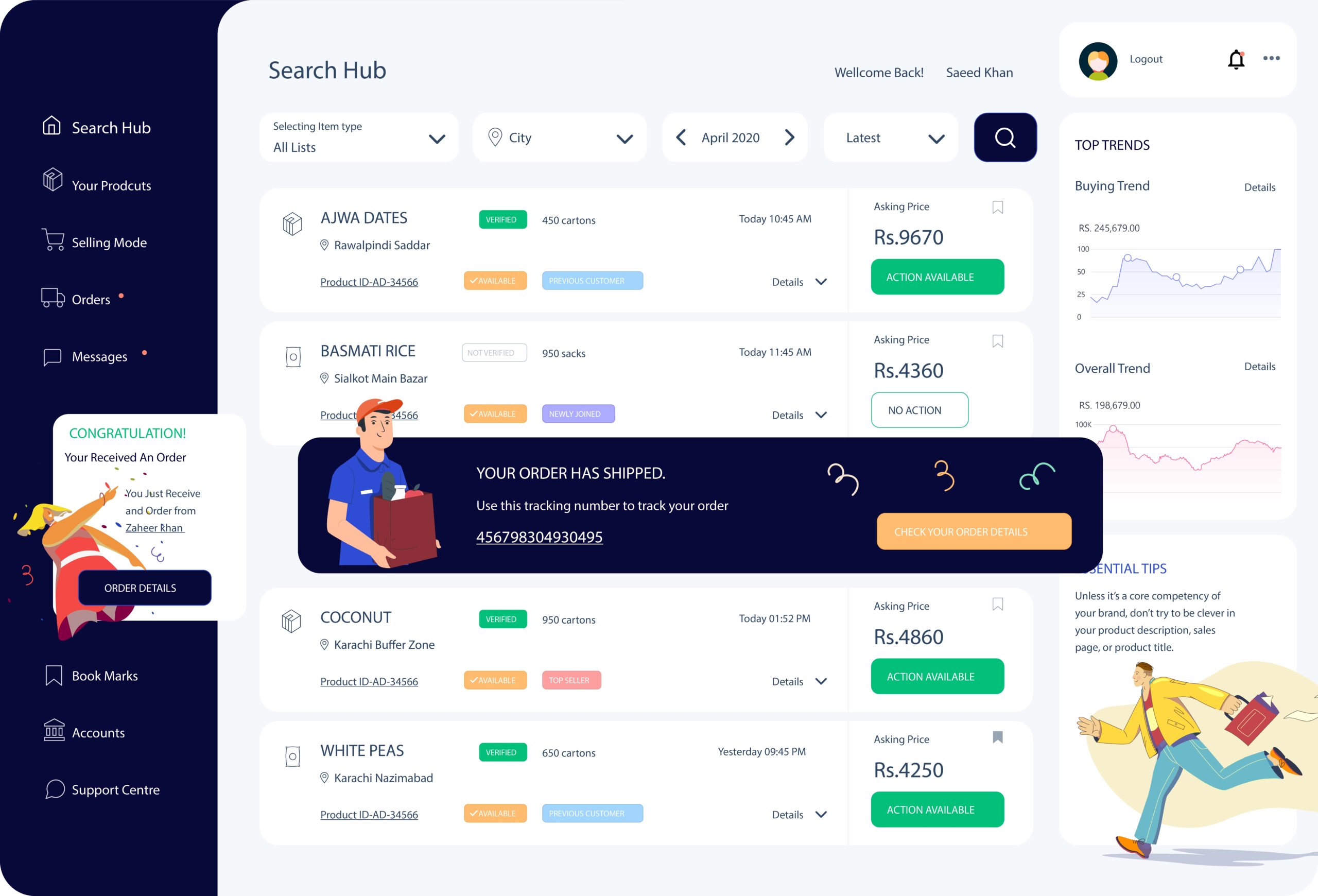
Modern websites need to adapt seamlessly across devices and screen sizes—and that’s where modular and dynamic layouts come in. In UX UI design, these layouts allow your content to breathe, shift, and scale without losing structure or visual hierarchy. For ecommerce UI UX design, this means your product grids, category pages, and promotional banners always look organized and professional, no matter where your customers are browsing.
How you can apply them:
- Build reusable components: Create design blocks like product cards, CTA sections, or testimonials that can be reused across your site. This speeds up updates and keeps your website consistent.
- Use responsive grids: Ensure your layout adapts to mobile, tablet, and desktop. Flexible grids make sure every element looks balanced and readable, improving usability across devices.
- Maintain hierarchy and visual consistency: Even as components shift or resize, ensure headings, CTAs, and key visuals retain prominence. Users should always know where to look first.
- Plan for future growth: Modular layouts make it easy to add new products, features, or pages without redesigning your entire site—saving time and maintaining a cohesive brand experience.
Why it matters:
Modular and dynamic layouts save you time, reduce design inconsistencies, and support scalability. For ecommerce businesses, this flexibility ensures that as your product catalog grows, your site remains organized, visually appealing, and easy to navigate.
When your website is built with a modular approach, it’s not just future-proof—it’s performance-proof. Visitors experience a clean, structured design that guides them naturally toward key actions, increasing engagement and conversions. In short, modular layouts let your website grow alongside your business, keeping both your brand and your user experience strong.
Ethical & Accessibility-First UIs: Design for Everyone
In 2026, inclusive design isn’t optional—it’s essential. Ethical and accessibility-first interfaces ensure your website works for everyone, builds trust, and expands your audience. When you prioritize accessibility and transparency, you’re not just doing the right thing—you’re improving engagement and conversions through better UX.
What to focus on:
- Accessibility for all users: Include alt text for images, maintain proper color contrast, use readable fonts, and ensure keyboard-friendly navigation. These practices make your site usable for people with disabilities and enhance overall UX UI design quality.
- Inclusive interactions: Test your website to ensure it works for diverse users across different devices, languages, and cultural contexts. In ecommerce UI UX design, this helps every customer navigate product pages, read descriptions, and complete purchases effortlessly.
- Transparent design: Clearly communicate how you collect, store, and use data. Simple, straightforward consent prompts and privacy notices build trust, making visitors feel secure engaging with your site.
- Ethical decision-making: Avoid manipulative design patterns (like hidden fees or confusing opt-outs). Your users will appreciate honesty, which strengthens your brand reputation.
Why it matters for you:
Designing for everyone increases your reach, trust, and engagement. Inclusive websites make it easy for users of all abilities to interact with your content, explore your products, and take action confidently. For ecommerce businesses, this means more customers completing purchases, signing up for newsletters, or returning to your site.
By prioritizing accessibility and ethical design in your UX UI design strategy, your website becomes more user-friendly, credible, and growth-oriented. Inclusive design is not just the right choice—it’s a smart business move that improves conversions, customer loyalty, and brand reputation.

Designing for Growth: Future-Proof Your Product With Emerge Digital
All the design principles we’ve covered—human-centered design, AI-enhanced experiences, motion, immersive visuals, expressive typography, modular layouts, and accessibility-first UIs—are only powerful if they deliver real results. At Emerge Digital, we help you turn these modern design trends into tangible business outcomes that grow your brand and drive conversions.
Here’s how we help you:
- Conversion-focused design: Every button, banner, and content block is strategically placed to guide your visitors toward action. Whether it’s completing a purchase, signing up for a newsletter, or requesting a consultation, our UX UI design approach ensures your site nudges users in the right direction.
- Seamless navigation: We structure websites so your visitors can find products, services, or information effortlessly. Smooth navigation reduces frustration, keeps users engaged, and increases the likelihood of conversions.
- Brand cohesion: Consistent use of colors, typography, hierarchy, and visual cues across your website reinforces credibility and trust. Your site looks professional and cohesive, leaving a strong impression on every visitor.
- Engagement-focused UX: Thoughtful spacing, alignment, and micro-interactions keep users exploring. In ecommerce UI UX design, this encourages customers to view multiple products, read descriptions, and complete purchases confidently.
- Future-proof design systems: Modular layouts and dynamic components allow your website to scale as your business grows. Adding new products, pages, or features is seamless—without disrupting the user experience.
By combining UI UX design expertise with a results-oriented strategy, we make sure your website isn’t just visually appealing—it’s a high-performing tool that actively grows your business. Every design decision is backed by research, usability principles, and a deep understanding of how users behave online.
Your website should work as hard as you do. With Emerge Digital, you’re not just getting a pretty interface—you’re getting a website that drives measurable growth, improves conversions, and builds lasting connections with your audience.

Conclusion: Make Your Website Work for Your Users
Design isn’t just about aesthetics—it’s about creating seamless, meaningful experiences. By embracing human-centered principles, AI-enhanced interactions, motion, immersive visuals, expressive typography, modular layouts, and accessibility, you make your website:
- Easier to navigate
- More engaging and memorable
- More trustworthy and credible
- Conversion-focused and growth-ready
Whether you’re refreshing your site or launching a new one, prioritizing UX/UI design ensures your visitors get the experience they expect—and your business gets the results it deserves.
Start designing for your users today, and watch your website engage, convert, and grow like never before.
Explore more
Ecommerce Solutions for Perfume & Fragrance Brands: Why Agencies Deliver Luxury Experiences
Ecommerce Development for Skincare & Beauty Brands: How Agencies Create Scalable Solutions
E-commerce Development for Jewellery Brands: Building Trust for High-Value Purchases

About the Author
Priya, Co-Founder of Emerge Digital, is a UI/UX enthusiast with 15 years of experience. She’s passionate about crafting user-centered designs that exceed expectations, delivering meaningful and engaging digital experiences. At Emerge Digital, Priya blends her deep expertise with a commitment to client and user needs, driving innovative design solutions.