E-commerce UI/UX in 2026: Designing Experiences That Convert
In 2026, e-commerce is no longer about getting users to your website—it’s about keeping them focused long enough to complete a purchase. With AI-driven recommendations, social commerce, and one-tap checkouts becoming standard, user expectations are sharper than ever.
Today’s customers don’t tolerate friction. They expect speed, clarity, and confidence at every step. That’s why UI/UX design has become one of the most influential conversion levers for e-commerce platforms.
This article explores how modern e-commerce UI/UX works in 2026, what has changed, and how smart design directly drives revenue, retention, and brand trust.
Table of Contents
- Why UI/UX Is a Growth Engine for E-commerce in 2026
- The 2026 E-commerce User: Faster, Smarter, Less Patient
- Product Discovery UX: Designing for Intent, Not Exploration
- Product Page UX in 2026: Where Trust Is Built or Lost
- Mobile-First Is Now Baseline, Not a Strategy
- Checkout UX: Optimising the Most Expensive Screen
- Design Systems: Scaling E-commerce Without UX Debt
- Personalisation Through UX, Not Pop-ups
- Accessibility and Performance as Core UX Signals
- Measuring UX Impact on E-commerce Performance
- How Emerge Digital Approaches E-commerce UI/UX
- Final Takeaway: Experience Is the New Competitive Edge

Why UI/UX Is a Growth Engine for E-commerce in 2026
Traffic alone doesn’t build e-commerce brands anymore, your user experience does. When shoppers land on your online store, your e-commerce UI/UX design determines how quickly they understand your products, how confident they feel about buying, and whether they complete the checkout or leave.
Strong UI/UX design for e-commerce platforms directly improves:
- Conversion rate optimisation (CRO) by reducing friction across product pages, carts, and checkout flows
- Product discovery efficiency through intuitive navigation, smart search, and UX designed around buyer intent
- Mobile and cross-device continuity, ensuring your e-commerce experience feels seamless across smartphones, tablets, and desktops
- Customer trust and loyalty by clearly communicating pricing, delivery, returns, and social proof
- Repeat purchases and lifetime value by creating an experience users remember and return to
As advertising costs rise and competition intensifies, relying solely on paid traffic becomes unsustainable. Investing in UX-led optimisation for e-commerce websites allows you to convert more of your existing traffic, shorten the path to purchase, and achieve a higher ROI than acquisition-driven growth alone, making UI/UX one of the most reliable growth levers for your e-commerce business.
The 2026 E-commerce User: Faster, Smarter, Less Patient
Your customers make buying decisions faster than ever, and they expect your store to keep up. Today’s e-commerce users don’t browse leisurely; they arrive with intent, scan for relevance, and move on quickly if the experience feels unclear or slow.
Modern e-commerce users:
- Scan instead of reading, relying on visual cues, layout hierarchy, and clear CTAs
- Compare options instantly, switching between products and platforms within seconds
- Expect predictive suggestions, such as personalised recommendations and smart search results
- Switch platforms with zero hesitation if your store introduces friction at any point
To meet these expectations, e-commerce UX design in 2026 prioritises:
- Visual clarity over heavy content, using clean layouts and scannable product information
- Minimal decision steps, reducing unnecessary clicks between discovery and checkout
- Context-aware interfaces that adapt to user intent, device, and browsing behaviour
- Reduced cognitive load, so users can decide without overthinking
If users have to “figure out” how your store works, they won’t. A frictionless user experience for e-commerce websites ensures your customers feel guided, confident, and ready to purchase, before their attention shifts elsewhere.

Product Discovery UX: Designing for Intent, Not Exploration
Your customers no longer browse aimlessly. In 2026, product discovery UX for e-commerce is built around recognising intent and removing friction the moment a user lands on your store. Search and navigation are no longer static features, they are intelligent systems that guide users toward decisions faster.
Search and navigation are no longer static.
High-performing e-commerce platforms now use:
- Predictive search with intent-based results, showing relevant products before users finish typing
- Smart filters that adapt to user behaviour, adjusting based on browsing patterns, price sensitivity, and past interactions
- Category layouts designed for scanning, with strong visual hierarchy, thumbnails, and clear value indicators
- Visual sorting instead of text-heavy controls, allowing users to compare products quickly without cognitive overload
A well-structured e-commerce product discovery experience reduces confusion, accelerates decision-making, and increases conversion rates. When your UI/UX design for online stores aligns with user intent, you shorten the path from interest to action, turning high-intent traffic into revenue instead of drop-offs.

Product Page UX in 2026: Where Trust Is Built or Lost
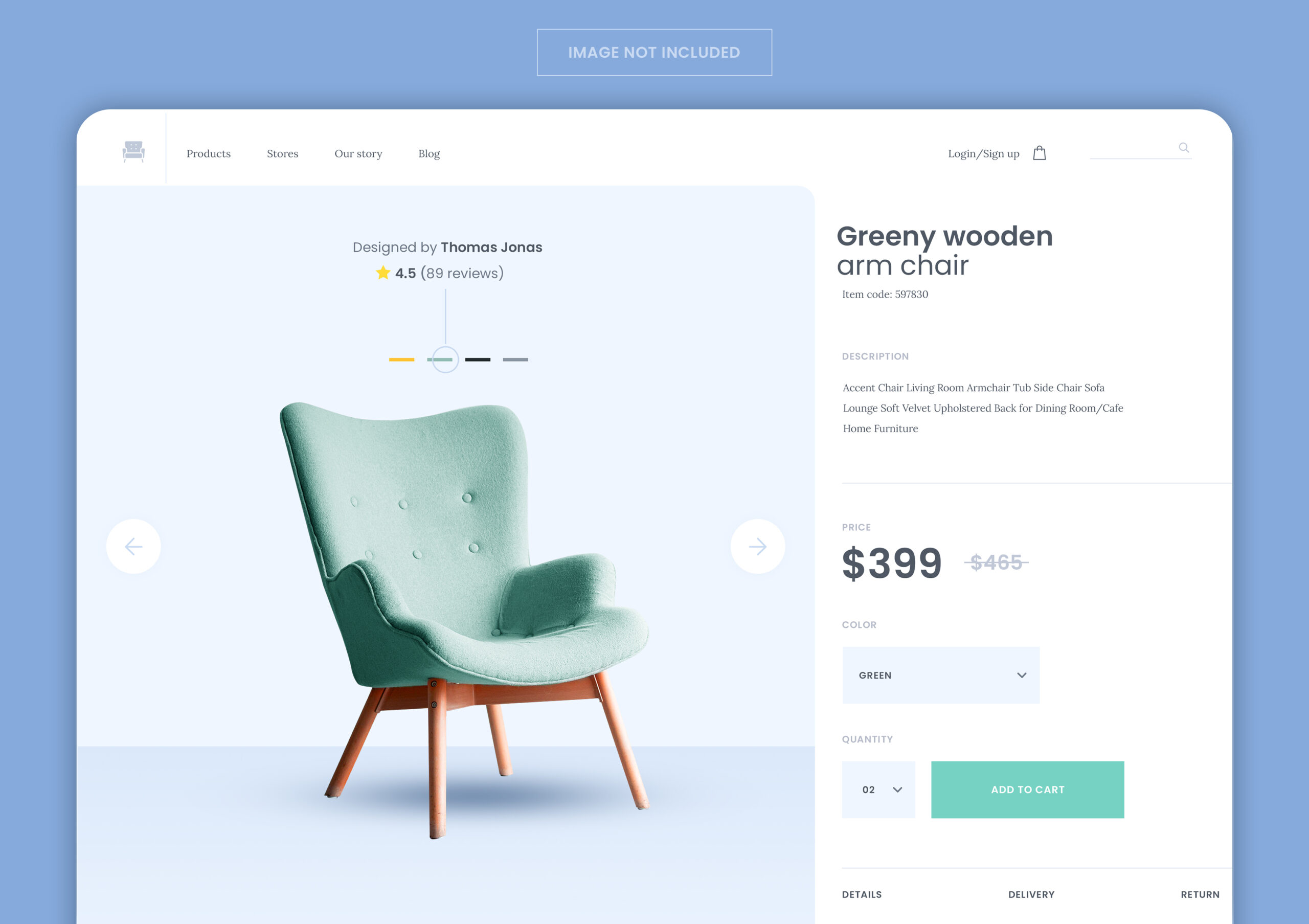
Your product page is no longer just a place to display details, it’s where buying decisions are confirmed or abandoned. In 2026, e-commerce product page UX design functions as a trust-building system that answers questions before your users even think to ask them.
Product pages are no longer information dumps, they are decision engines.
Modern product page UI/UX includes:
- Modular layouts that adapt to user intent, prioritising visuals, benefits, or specifications based on how users interact
- Sticky CTAs and frictionless variant selection, ensuring users can act instantly without scrolling or rethinking
- Clear pricing, delivery, and return signals, reducing uncertainty and improving checkout confidence
- Social proof integrated naturally into the flow, such as reviews, UGC, and trust badges placed where hesitation typically occurs
When your product page user experience removes friction, clarifies value, and reinforces credibility, you eliminate doubt before it appears, leading to higher add-to-cart rates, improved conversion optimisation, and stronger customer trust across your e-commerce platform.
Mobile-First Is Now Baseline, Not a Strategy
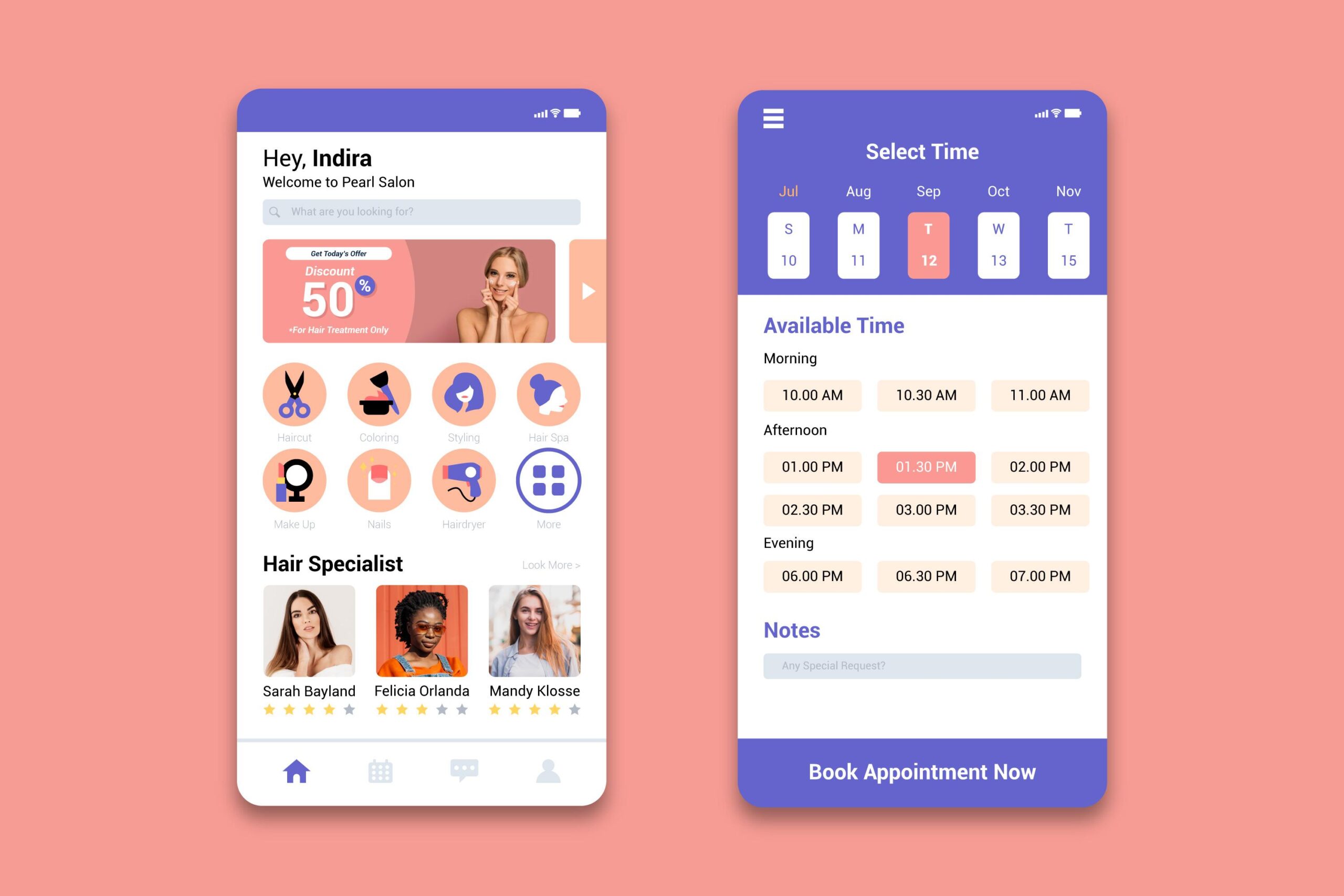
In 2026, being mobile-first is no longer a competitive advantage, it’s the minimum expectation. What separates high-performing brands from the rest is the quality of mobile e-commerce UX optimisation, not just responsiveness. Your users expect your store to feel designed for mobile, not adapted to it.
In 2026, mobile-first is assumed. The real differentiator is mobile optimisation quality.
Effective mobile e-commerce UX focuses on:
- Thumb-zone navigation, ensuring primary actions are reachable without strain
- Single-hand checkout flows, reducing friction during high-intent moments
- Persistent cart visibility, keeping purchase context clear across screens
- Fast-loading, lightweight interfaces, optimised for performance across networks and devices
When your mobile user experience design for e-commerce feels intentional rather than compressed, you reduce drop-offs, increase mobile conversion rates, and create smoother cross-device journeys. If your mobile UX feels improvised, conversions suffer, no matter how strong your traffic is.
Checkout UX: Optimising the Most Expensive Screen
In 2026, checkout UX is no longer just a functional step, it’s the most expensive screen in your entire e-commerce funnel. This is where purchase intent is highest and friction is most costly. Even small usability issues in your e-commerce checkout UX design can lead to significant revenue loss.
Checkout UX has become a key differentiator in 2026.
High-converting checkouts prioritise:
- Fewer steps with visual progress cues, helping users understand exactly how close they are to completing the purchase
- Auto-filled and smart form inputs, reducing typing effort and checkout time across devices
- Multiple express payment options, including one-tap wallets and platform-native payments
- Transparent cost breakdowns, eliminating last-minute surprises that trigger abandonment
Every extra second, click, or form field increases checkout abandonment and lowers conversion rates. When your checkout user experience for e-commerce websites is fast, predictable, and reassuring, you create confidence at the moment that matters most, and turn intent into completed orders.

Design Systems: Scaling E-commerce Without UX Debt
As your e-commerce platform grows, inconsistent UI patterns quietly slow down performance and scalability. Without a structured e-commerce design system, your teams spend more time fixing visual inconsistencies than improving user experience, creating UX debt that directly impacts conversions.
Scalable design systems help by:
- Maintaining consistency across features, so your store feels predictable and easy to use across pages, devices, and touchpoints
- Reducing development friction, allowing designers and developers to move faster without rethinking components every time
- Supporting faster experimentation, making it easier to test layouts, CTAs, and flows without breaking usability
- Creating familiarity for repeat users, reducing effort and increasing confidence with every visit
Consistency reduces learning time, and learning time kills conversions. When your e-commerce UI/UX design system is well-defined, you create smoother journeys, faster updates, and a shopping experience that scales without sacrificing performance or usability.
Personalisation Through UX, Not Pop-ups
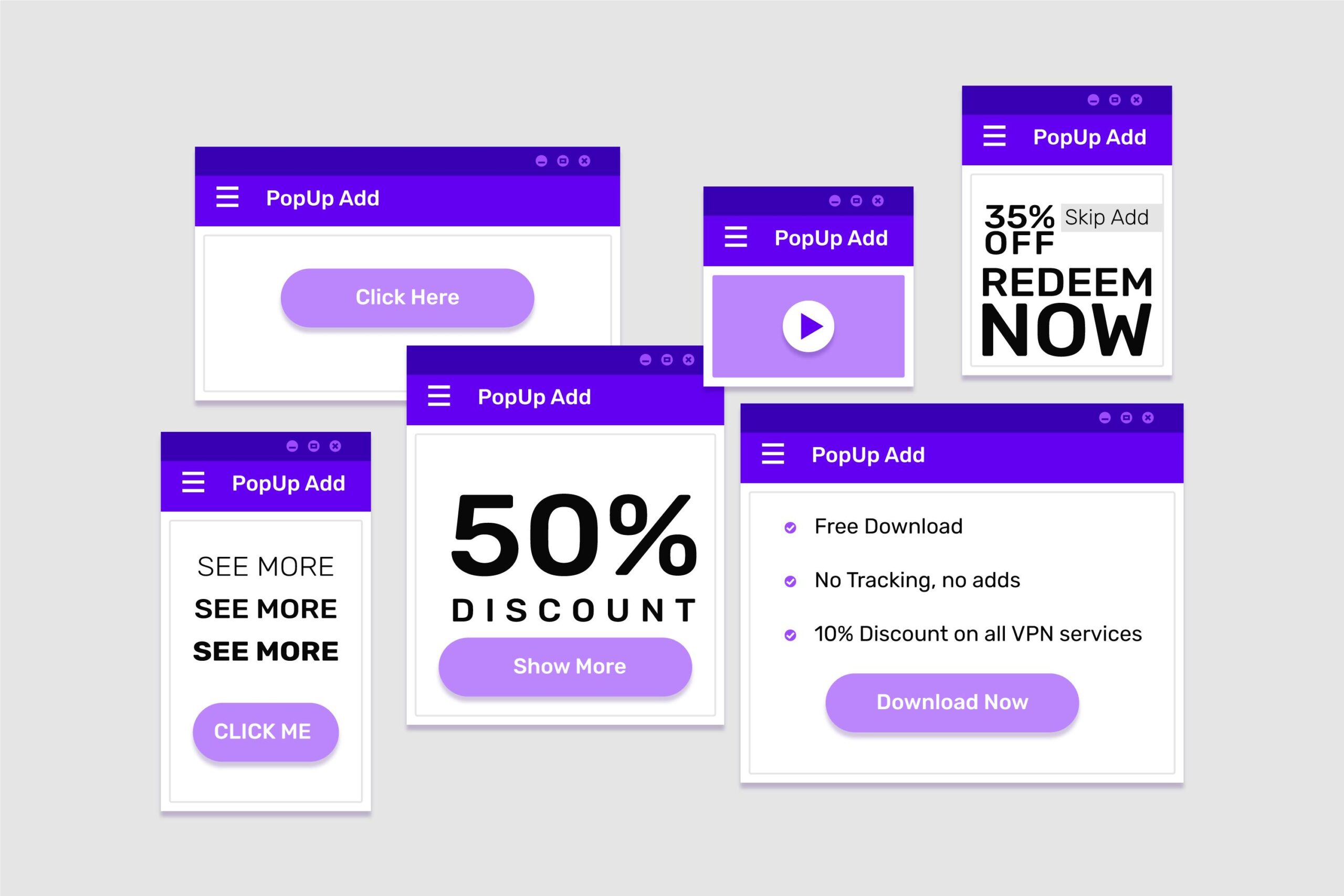
Personalisation in 2026 is no longer about intrusive pop-ups or forced offers, it’s built directly into your e-commerce UX. The most effective personalisation feels natural, relevant, and aligned with user intent, helping your customers move faster toward a confident purchase decision.
Examples include:
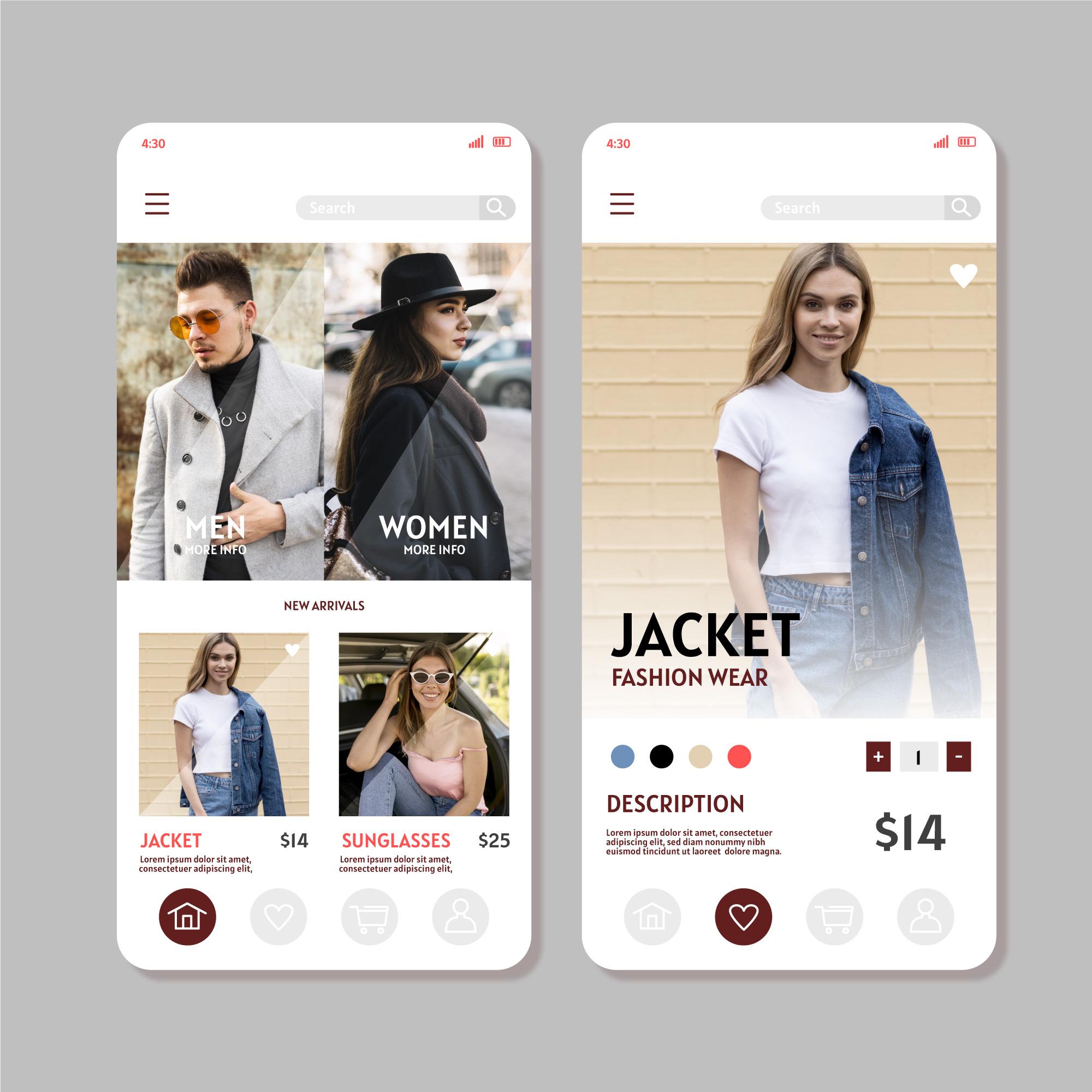
- Contextual product recommendations based on browsing behaviour, purchase history, and real-time intent
- Recently viewed and intent-based collections that reduce rediscovery effort and keep users focused
- Adaptive homepage layouts that adjust content hierarchy based on user behaviour, device, or traffic source
- Behaviour-based content prioritisation that surfaces the most relevant products, categories, or offers first
When done right, personalisation feels invisible, but powerful. By embedding personalised UX design for e-commerce into your interface, you reduce friction, increase engagement, and improve conversion rates without overwhelming users or disrupting their shopping flow.
Accessibility and Performance as Core UX Signals
Accessibility and performance are no longer optional or secondary in 2026, they are essential signals of a high-quality e-commerce user experience. When your store is fast, inclusive, and easy to navigate, you remove friction for every user, not just a few.
Strong e-commerce UX ensures:
- Readable typography and proper colour contrast, improving clarity across devices and lighting conditions
- Clear focus states and intuitive navigation, supporting keyboard users and assistive technologies
- Fast load times across devices, especially on mobile, where performance directly impacts conversion rates
- Inclusive interactions for all users, ensuring your store works seamlessly for diverse abilities and use cases
Better accessibility improves overall usability and SEO performance. By prioritising accessible e-commerce UI/UX design and performance optimisation, you increase engagement, reduce bounce rates, and create shopping experiences that both users and search engines trust.

Measuring UX Impact on E-commerce Performance
UI/UX success in 2026 is measured through outcomes, not opinions or aesthetics alone. When your e-commerce UI/UX design is aligned with user behaviour, you can directly track how design decisions impact revenue, retention, and operational efficiency.
Key metrics influenced by UX include:
- Conversion rate, showing how effectively your interface guides users from intent to purchase
- Cart abandonment rate, revealing friction points within product pages or checkout flows
- Time to purchase, measuring how quickly users can complete a buying journey
- Repeat customer rate, indicating trust, satisfaction, and long-term engagement
- Support queries per order, highlighting usability gaps that create confusion or friction
In 2026, UX decisions are data-led and continuously optimised. By analysing e-commerce UX performance metrics and user behaviour insights, you turn design into a measurable growth driver, helping you optimise faster, scale smarter, and convert more consistently.

How Emerge Digital Approaches E-commerce UI/UX
At Emerge Digital, e-commerce UI/UX is treated as a performance discipline, not just a visual layer. Every design decision is rooted in how your users behave, how your platform functions, and how your business needs to grow. The goal is simple: help you convert faster, retain longer, and scale without UX friction.
Our approach focuses on:
- User behaviour analysis to understand how your customers browse, compare, and purchase
- Conversion-driven UX strategy aligned with your sales funnels and business objectives
- Platform-aware design, optimised for Shopify, headless commerce, and custom e-commerce stacks
- Data-backed interface decisions informed by heatmaps, funnels, and interaction patterns
- Mobile-first optimisation designed for real-world usage, not just responsiveness
- Scalable design systems that maintain consistency as your catalogue, features, and traffic grow
- Continuous UX optimisation, refining layouts, flows, and interactions based on performance data
By combining UX strategy, UI design, and technical feasibility, Emerge Digital ensures your e-commerce experience doesn’t just look good, it actively works to increase conversions, reduce friction, and support sustainable growth.
Final Takeaway: Experience Is the New Competitive Edge
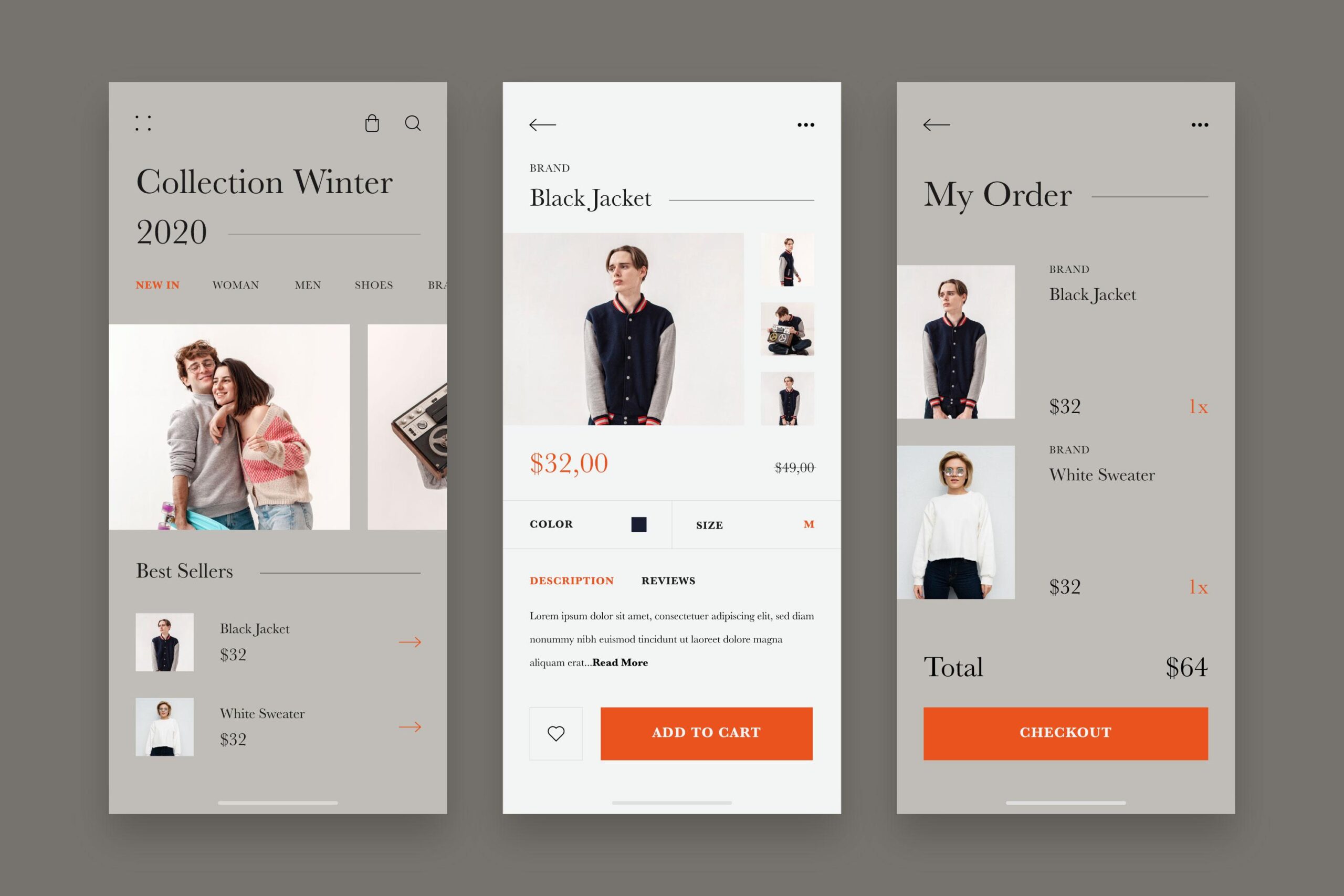
In 2026, your customers don’t remember features, they remember how effortless it felt to complete a purchase. Speed, clarity, and confidence now define winning e-commerce experiences, and UI/UX design plays a direct role in how your brand is perceived and chosen.
E-commerce platforms that invest in strong UI/UX design:
- Convert faster by removing friction at every decision point
- Retain longer through intuitive journeys and consistent experiences
- Depend less on ads by improving organic conversions and repeat purchases
- Scale with confidence using systems that support growth without usability breakdowns
If your e-commerce store isn’t converting as expected, the solution is rarely more traffic. More often, it’s optimising your e-commerce UI/UX to match how users think, browse, and buy today. Better experience leads to better outcomes, for your users and your business.
Explore more
Ecommerce Solutions for Perfume & Fragrance Brands: Why Agencies Deliver Luxury Experiences
Ecommerce Development for Skincare & Beauty Brands: How Agencies Create Scalable Solutions
E-commerce Development for Jewellery Brands: Building Trust for High-Value Purchases

About the Author
Priya, Co-Founder of Emerge Digital, is a UI/UX enthusiast with 15 years of experience. She’s passionate about crafting user-centered designs that exceed expectations, delivering meaningful and engaging digital experiences. At Emerge Digital, Priya blends her deep expertise with a commitment to client and user needs, driving innovative design solutions.